Why Cusco is one of Peru’s most important travel destinations
Cusco is much more than the starting point for visiting Machu Picchu. The city brings together Inca history, colonial architecture, traditional neighborhoods and archaeological sites that help travelers understand the cultural importance of southern Peru. Places such as the Historic Center, Qorikancha and Sacsayhuamán make Cusco an essential stop for anyone interested in the country’s past and living traditions.
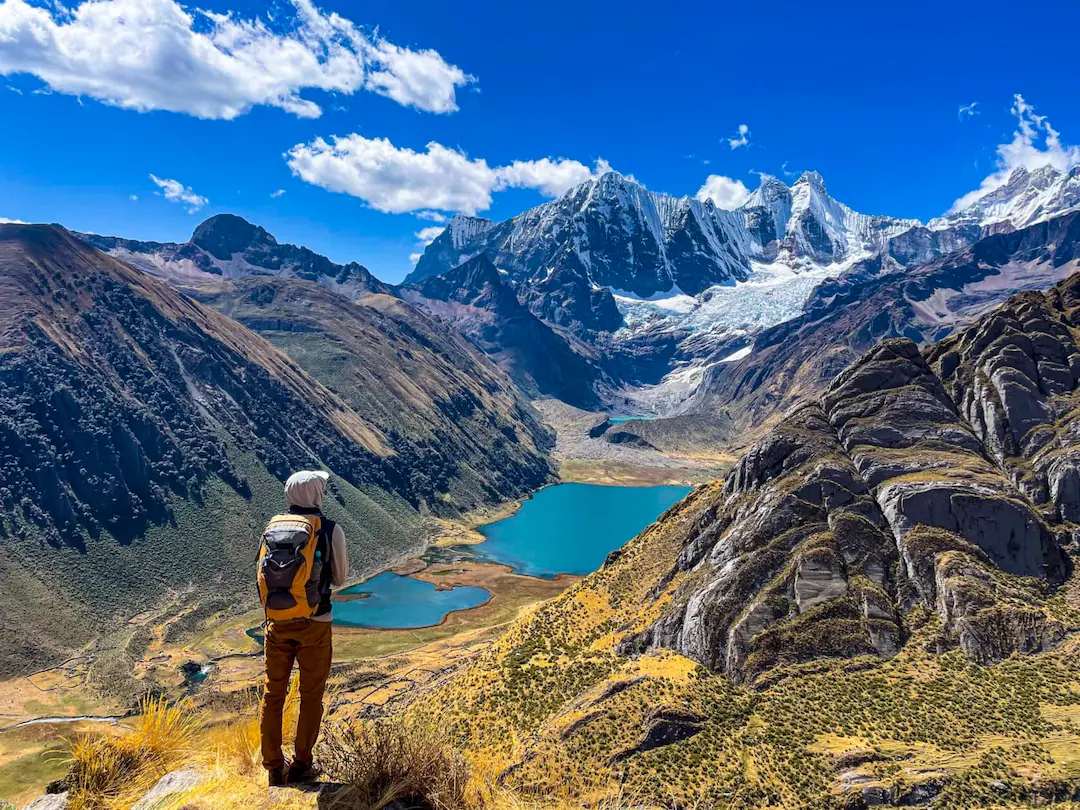
Its location also makes it a strategic base for exploring some of Peru’s most remarkable landscapes. From Cusco, travelers can continue toward the Sacred Valley and Machu Picchu, join trekking routes such as Salkantay, or experience high-altitude scenery around Ausangate and Rainbow Mountain. These routes allow visitors to combine history, nature and local communities within the same journey.
For this reason, Cusco works especially well as part of a longer Peru itinerary. Whether travelers prefer cultural tours, multi-day adventures or a combination of archaeological sites and mountain landscapes, the region offers enough variety to build several days of meaningful experiences. Working with a local Peru tour operator can also make transportation, schedules and connections between these destinations easier to organize.
What to expect when visiting Cusco
Visiting Cusco means combining history, archaeological sites, mountain landscapes and local traditions within the same trip. Depending on your itinerary, you can spend time exploring the city itself, travel through the Sacred Valley, continue toward Machu Picchu or choose trekking experiences that take you deeper into the Andes.
Cusco also works well as a base for different types of travelers. Some visitors prefer cultural tours and short excursions, while others choose multi-day routes such as Salkantay or Ausangate. Because of this variety, planning your days in advance can help you make better use of your time and connect each destination more naturally.
You might be interested in: All saints’ day in Peru
Historic attractions and Inca heritage
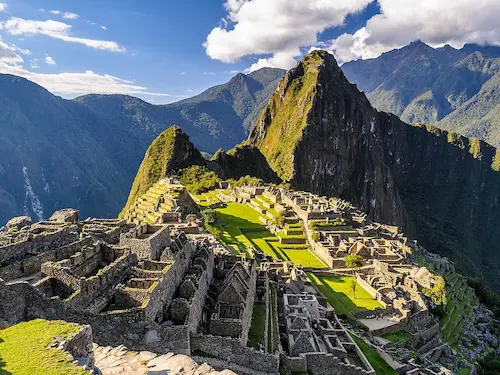
Cusco preserves some of the most important traces of the Inca Empire. During a city tour, travelers can visit places such as Qorikancha, Sacsayhuamán and the Historic Center, where Inca stonework and colonial architecture coexist throughout the city.
These attractions are especially useful for understanding Cusco before continuing to other destinations in the region, since many of the cultural and historical elements seen here are also present in the Sacred Valley and Machu Picchu.
Sacred Valley landscapes and local towns
The Sacred Valley is one of the main areas to explore from Cusco. Its route combines archaeological sites, traditional towns, agricultural terraces and mountain scenery, making it a natural extension of a stay in the city.
Depending on the tour, travelers can visit places such as Pisac, Ollantaytambo and other local communities before continuing toward Machu Picchu or returning to Cusco.
Machu Picchu and multi-day routes
For many travelers, Cusco is the starting point for reaching Machu Picchu. Some itineraries combine the Sacred Valley and Machu Picchu in a two-day trip, allowing visitors to connect several important destinations without returning to Cusco between each stage.
Other travelers choose longer trekking routes such as Salkantay, which combine mountain landscapes, local communities and several days of hiking before reaching the Machu Picchu area.
Craft beer bars
The craft beer movement has become an important part of the local nightlife scene, and several Cusco bars now specialize in artisanal brews. Visitors can sample a variety of locally produced beers, including IPAs, stouts, lagers, and seasonal creations inspired by Andean ingredients. These venues are perfect for beer enthusiasts interested in discovering unique flavors while supporting local breweries.
High-altitude adventures around Ausangate and Rainbow Mountain
Cusco is also a starting point for high-altitude experiences beyond the classic Machu Picchu route. Tours around Ausangate and Rainbow Mountain offer a different side of the region, with dramatic landscapes, lagoons, mountain passes and remote Andean environments.
These excursions are generally better suited to travelers looking for more physical activity and should be planned with enough time for altitude acclimatization.
Local culture, markets and traditional neighborhoods
Beyond the main archaeological sites, Cusco offers everyday cultural experiences through its markets, neighborhoods and local streets. Places such as San Pedro Market and San Blas provide a closer look at local food, crafts and daily life.
Including these areas in your itinerary helps balance guided tours with free time in the city and gives travelers a broader perspective of Cusco beyond its most famous attractions.
Where to enjoy an evening in Cusco
Evenings in Cusco can be a great way to slow down after a full day of exploration. After joining different tours in Cusco, visiting archaeological sites, traveling through the Sacred Valley or preparing for Machu Picchu, travelers can use the evening to enjoy the Historic Center, local restaurants, panoramic viewpoints and cultural spaces at a more relaxed pace.
The best plan will depend on how your itinerary is organized. After a half-day Cusco City Tour, you may still have time to walk around the Plaza de Armas or San Blas, while travelers returning from longer excursions may prefer dinner near their hotel and an early night. This balance makes it easier to enjoy Cusco beyond the main attractions without affecting the next day’s tours or activities.
Spend a relaxed evening in San Blas
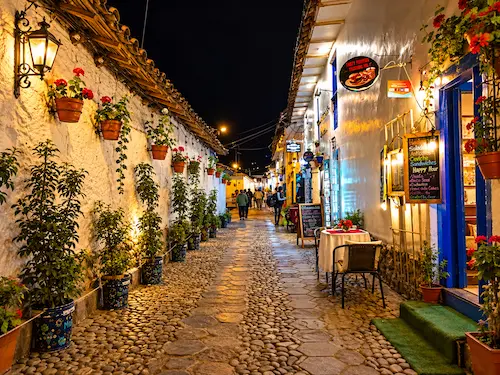
San Blas is a good option for travelers who prefer a quieter atmosphere. Its narrow streets, viewpoints and small restaurants make it suitable for an easy evening after visiting the main attractions of Cusco.
For travelers preparing for experiences such as the Sacred Valley, Machu Picchu or a multi-day trek, keeping the evening relatively light can also help conserve energy for the next day. This is especially relevant before physically demanding routes such as Salkantay or Ausangate.
Highlights:
- Elevated viewpoints overlooking the historic center and surrounding hills.
- Artisan workshops, small galleries and quieter streets than Plaza de Armas.
- Good choice for travelers who prefer a slower evening before an early excursion.
You might be interested in: What to do in Lima Peru for a day | 1-day guide
Try Peruvian food after your tour
Dinner is one of the simplest ways to continue experiencing Cusco after a day of excursions. Restaurants around the Historic Center offer traditional Peruvian dishes as well as lighter options for travelers who have just arrived or are still adapting to the altitude.
This can fit naturally after tours that return to Cusco in the afternoon or evening. Travelers completing archaeological visits or day trips can use dinner as a quieter transition before the next stage of their itinerary.
Highlights:
- Opportunity to try local dishes such as alpaca, trout, quinoa and Andean potatoes.
- Wide variety of restaurants within walking distance of central hotels.
- Practical way to end the day without adding another demanding activity.
You might be interested in: Spring break in Peru: Best things to do in Lima
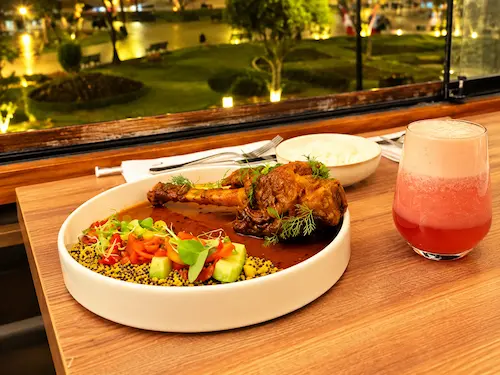
Enjoy a rooftop view of Cusco
A rooftop can still remain in the article, but I would change the focus completely. Instead of presenting it as a place to drink or party, present it as a place to watch the sunset and see the illuminated Historic Center.
After walking through Cusco or finishing a half-day excursion, a rooftop overlooking the city can provide a relaxed setting to appreciate the surrounding mountains and colonial rooftops. Travelers can stop for dinner, a non-alcoholic drink or a traditional beverage while enjoying the view.
Highlights:
- Panoramic views of terracotta rooftops, churches and the surrounding mountains.
- Best suited for sunset or the first hours after dark.
- Comfortable stop for dinner or a drink after sightseeing around the city center.
You might be interested in: Winter in Peru: Weather, temperatures & travel tips

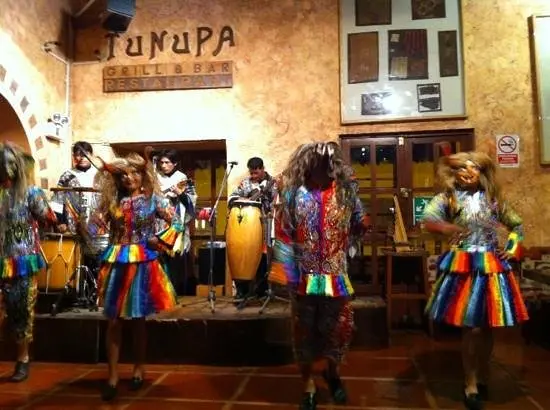
Experience live music and local culture
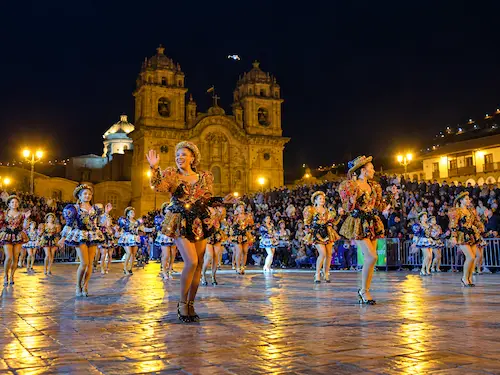
Some venues in central Cusco offer live music and cultural performances during the evening. These can complement the historical and archaeological experiences travelers encounter during daytime tours.
Instead of positioning these places as part of a nightlife circuit, present them as another way of experiencing local culture. Andean music, acoustic performances and cultural shows can be especially appealing to travelers who want something to do after dinner without committing to a late night.
Highlights:
- Andean instruments and contemporary interpretations of Peruvian music.
- Cultural venues located close to the Historic Center.
- Alternative evening plan for travelers who want local entertainment without a club atmosphere.
You might be interested in: San Pedro market Cusco: What to buy, eat & see 2026
Peruvian food and drinks to try in Cusco
Food is an important part of the travel experience in Cusco, especially after spending the day exploring archaeological sites, walking through the Historic Center or returning from excursions around the Sacred Valley. The city combines traditional Andean ingredients with classic Peruvian recipes, giving travelers the chance to experience another side of local culture through its cuisine.
Many dishes are prepared with products that have been part of the Andean diet for generations, including potatoes, corn, quinoa and local herbs. Drinks such as chicha morada and pisco-based cocktails are also widely available, making it easy to include local flavors as part of a broader Cusco itinerary.
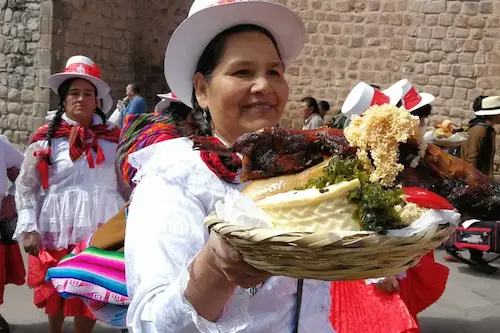
Chiri uchu
Chiri uchu is one of the most traditional dishes associated with Cusco and is especially linked to important local celebrations. It combines several ingredients in a single plate, including corn, cheese, meat and regional products, reflecting the diversity of Andean cuisine.
For travelers interested in understanding Cusco beyond its archaeological sites, trying chiri uchu can offer a direct connection with the city’s culinary traditions.
Highlights
- Traditional dish strongly associated with Cusco.
- Combines different Andean ingredients in one preparation.
- Closely connected with local celebrations and regional identity.
You might be interested in: Top 10 festivals in Lima, Peru you can’t miss in 2026
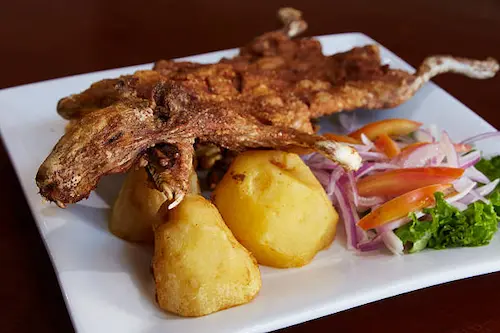
Cuy
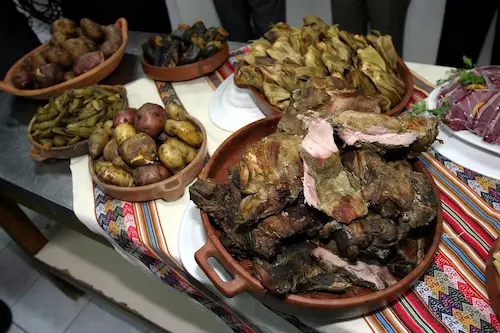
Cuy is one of the most recognizable traditional foods of the Peruvian Andes. In Cusco, it is commonly prepared roasted or baked and served with potatoes, corn or other regional accompaniments.
It is usually chosen by travelers who want to try a dish with deep historical roots in Andean communities rather than something commonly found outside Peru.
Highlights
- Traditional Andean preparation with a long local history.
- Commonly served with potatoes or corn.
- Available in several traditional restaurants around Cusco.
You might be interested in: 12 Best remedies for altitude sickness in Cusco
Alpaca
Alpaca meat is another ingredient travelers may encounter in Cusco. It is often served grilled, in steaks or incorporated into contemporary Peruvian dishes.
Its presence on local menus makes it a useful option for visitors who want to try a regional ingredient while still choosing a preparation that feels familiar.
Highlights
- Frequently included in contemporary Cusco menus
- Usually prepared grilled or as a steak
- Regional alternative to more familiar meat dishes
You might be interested in: The Inca empire agriculture and the secrets of high-altitude farming
Quinoa-based dishes
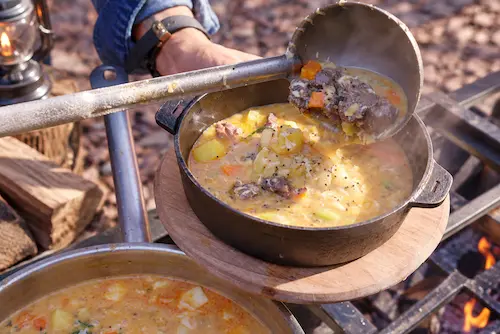
Quinoa is widely used in Cusco and throughout the Andes. Travelers can find it in soups, salads, stews and modern dishes prepared with vegetables and regional ingredients.
It can be a particularly practical choice after a long day of sightseeing, as many restaurants offer lighter quinoa-based options alongside heavier traditional dishes.
Highlights
- Ingredient native to the Andean region
- Used in both traditional and modern recipes
- Available in soups, salads and main courses
You might be interested in: Inti Raymi in Cusco 2026: Best festival guide
Chicha morada
Chicha morada is a non-alcoholic Peruvian drink made primarily from purple corn, often combined with fruit and spices. It is commonly served with lunch or dinner and is easy to find throughout Cusco.
For travelers who prefer a local drink without alcohol, it is one of the most accessible ways to experience a traditional Peruvian flavor.
Highlights
- Made primarily from Peruvian purple corn.
- Non-alcoholic and widely available.
- Common accompaniment to traditional Peruvian meals.
You might be interested in: 15 tips for travellers in 2026: Smart travel guide

Pisco sour
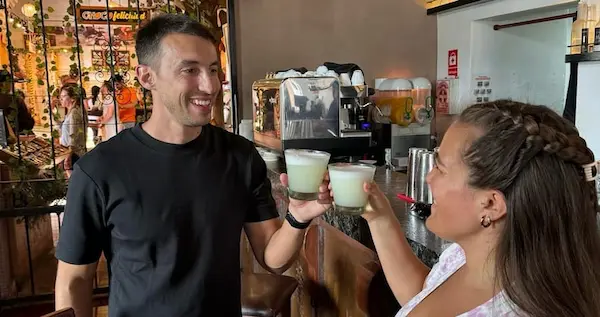
The pisco sour is one of Peru’s best-known cocktails and can be found in restaurants and bars throughout Cusco. It is traditionally prepared with pisco, lime juice, syrup, egg white and bitters.
Rather than treating it only as part of Cusco nightlife, it can be presented as one of the country’s most recognizable gastronomic traditions and something travelers may choose to try during dinner or after completing a day tour.
Highlights
- Prepared with Peru’s traditional pisco spirit
- Usually served before or alongside a meal
- One of the most internationally recognized Peruvian cocktails
You might be interested in: 15 facts about Cusco in 2026: Discover the Incan legacy
Mate de coca
Mate de coca is commonly offered in Cusco, particularly in hotels and restaurants frequented by travelers arriving at high altitude. It is prepared by infusing coca leaves in hot water and is deeply associated with everyday life in the Andes.
Visitors will often encounter it during their first days in the city or before traveling to higher-altitude destinations around the region.
Highlights
- Traditional hot infusion associated with the Andes
- Commonly offered in hotels and restaurants in Cusco
- Frequently encountered during the first days of a high-altitude itinerary
You might be interested in: 20 National Animals of Peru

Why travel with a local Peru tour operator
Traveling to Cusco often involves more than simply choosing which places to visit. Coordinating aspects such as transportation, access times, altitude, travel times, and connections between destinations is essential to ensure everything fits together seamlessly. A local tour operator in Peru can help manage these details and facilitate itinerary planning from the outset.
Local operators also have a thorough understanding of the dynamics of each destination. They can recommend realistic travel times, arrange transfers, adjust the order of activities, and help travelers avoid unnecessary complications when moving from one excursion to another.
You might be interested in: Cusco Bars: Nightlife Guide & Tips
Make Cusco part of a complete Peru itinerary
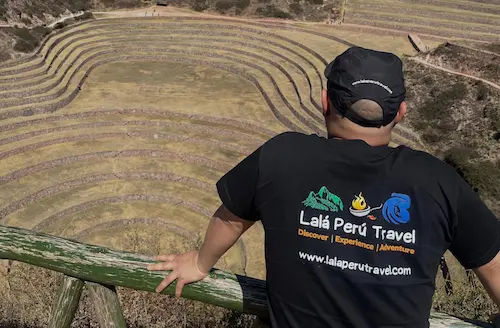
Cusco offers much more than a gateway to Machu Picchu. Its archaeological sites, traditional neighborhoods, local cuisine and surrounding landscapes make it one of the most complete destinations in Peru.
Planning your visit with a local Peru tour operator can help you organize transportation, guided experiences and day trips while leaving enough time to enjoy Cusco at your own pace. Explore our Tours in Cusco and build an itinerary that combines the region’s main attractions with authentic local experiences.