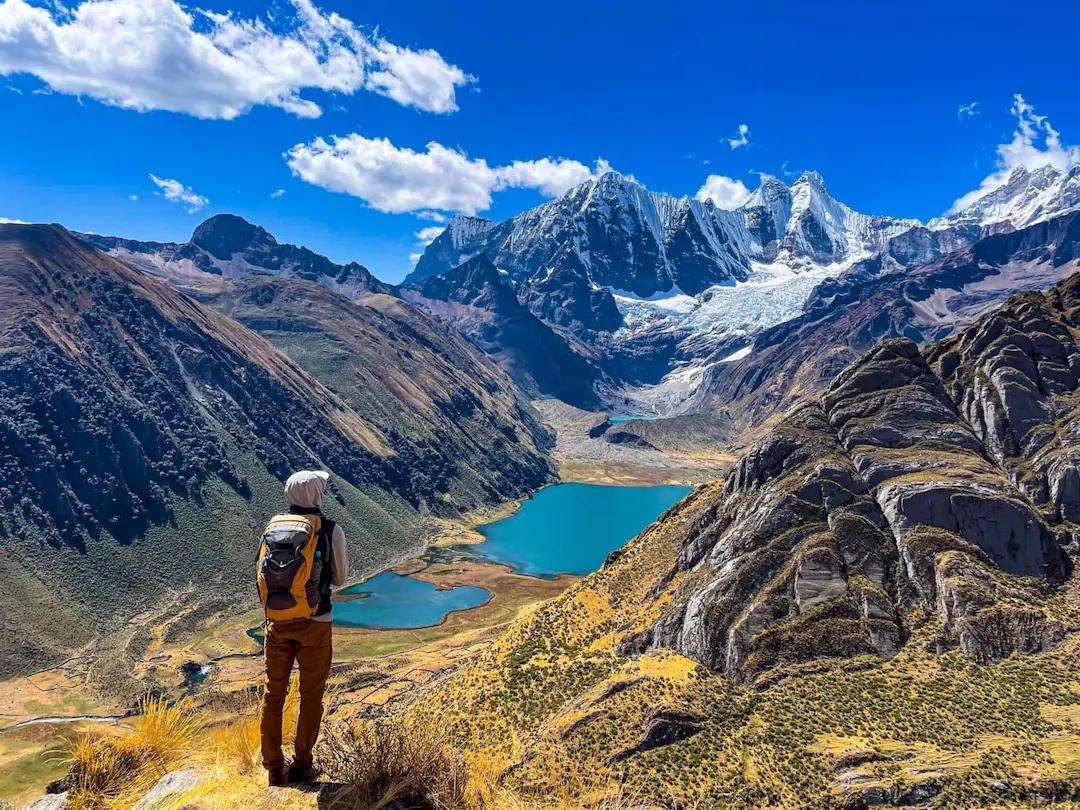

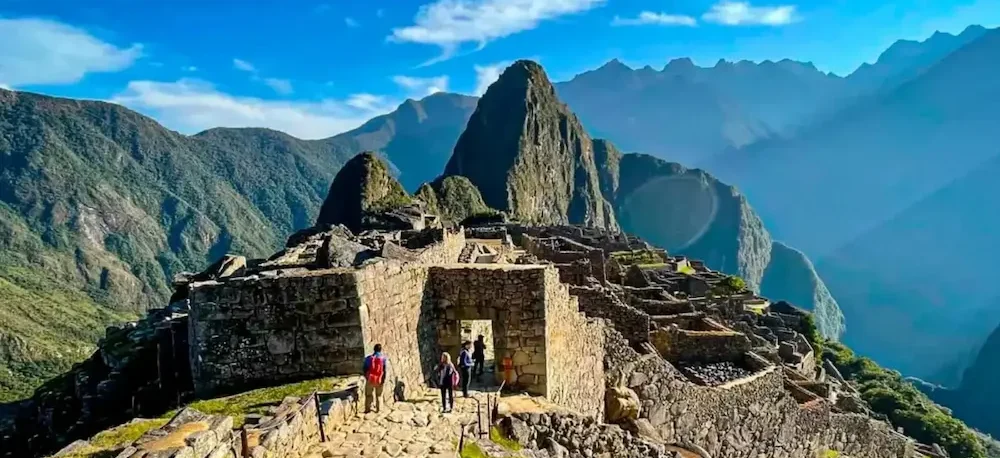
Cusco is not just a city; it is a living museum that breathes history in every corner. When we dive into the facts about Cusco, the first thing to understand is its sacred layout. The Incas designed the city in the shape of a puma, a feline representing the earthly world and power. Today, walking through its stone-clad streets feels like navigating through layers of time, where Spanish colonial balconies sit directly atop massive, mortar-less Inca foundations. Every street, plaza, and temple invites you to explore the rich cultural tapestry of the Incan legacy.
Beyond its architecture, Cusco is a vibrant center of culture and tradition. Festivals, artisan markets, and local cuisine bring the city to life, connecting modern residents and visitors alike with centuries of heritage. Each corner offers a glimpse into the ingenuity, spirituality, and resilience of the Inca civilization, making Cusco not only a destination but a journey into the heart of one of history’s most remarkable empires.
You might be interested in: Festival of the Crosses 2026 in Peru
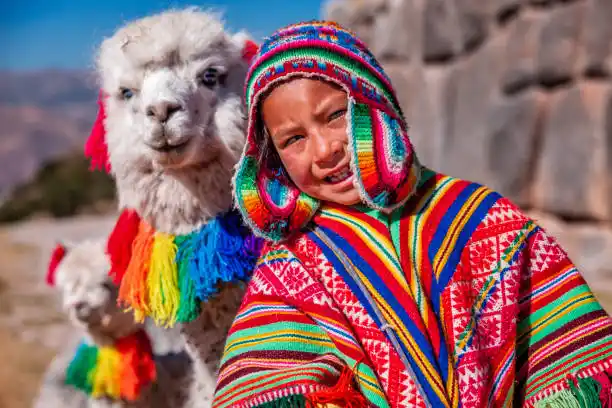
A deep dive into the most surprising facts about Cusco
To truly understand the “Imperial City,” one must look beyond the surface. Cusco is not just a city; it is a living museum that breathes history in every corner. The Incas designed the city in the shape of a puma, a feline representing the earthly world and power. Walking through its stone-clad streets feels like navigating through layers of time, where Spanish colonial balconies sit directly atop massive, mortar-less Inca foundations.
Beyond its architecture, Cusco is a vibrant center of culture and tradition. Festivals, artisan markets, and local cuisine bring the city to life, connecting modern residents and visitors alike with centuries of heritage. Whether you choose to explore independently or join curated Cusco tours, each corner offers a glimpse into the ingenuity, spirituality, and resilience of the Inca civilization, making Cusco not only a destination but a journey into the heart of one of history’s most remarkable empires.
1. The layout of the puma
One of the most essential facts about Cusco is its zoomorphic design. The head of the puma is represented by the fortress of Sacsayhuamán, while the body and heart are formed by the Main Square and the confluence of the Saphy and Tullumayo rivers.
This feline figure was not a coincidence; for the Incas, the puma symbolized power, intelligence, and the Kay Pacha (the world of the living). Interestingly, the “belly” of the puma was the sacred area where the elite lived, and its tail ended where the two main rivers met, a place known as “Pumachupan.”
2. The twelve-angled stone
In Hatun Rumiyoc street, among many facts, the precision of Incan masonry stands out; this stone is so perfectly fitted into the wall that not even a needle or a piece of paper can fit between the joints.
This green diorite stone is a masterpiece of prehistoric engineering. It is not just about the twelve angles; it is about how it serves as a keystone for the entire wall. Despite its fame, it is only one of thousands of stones that demonstrate an understanding of geometry and physics that continues to baffle modern architects.
3. Architecture that defies earthquakes
One of the technical facts is that the Incas used an “L” shaped stone locking system. This ancient anti-seismic engineering is why the city still stands while colonial structures often crumbled during major tremors over the centuries.
The walls are not perfectly vertical; they lean slightly inward, a technique called “inclination.” Furthermore, the stones were carved to allow a tiny bit of movement during a quake, meaning they would “dance” and then settle back into their original position once the shaking stopped.
4. Geography and altitude
Situated at 3,399 meters above sea level, elevation is one of the facts about Cusco that every traveler feels. To enjoy the city to its fullest, many experts suggest that working with the best travel agency in Peru is the smartest move for proper acclimatization and oxygen management.
The air here contains about 40% less oxygen than at sea level, which is why the local culture revolves around “slow living.” Most hotels in the historic center even offer oxygen-enriched rooms to help guests recover from their journey through the thin Andean air.
5. Qorikancha: The golden temple
Historical facts about Cusco describe how the walls of the Qorikancha were once covered in solid gold sheets. Today, the Convent of Santo Domingo sits atop these same foundations, creating a unique architectural hybrid.
Legend has it that the temple also housed life-sized gold statues of llamas, corn stalks, and even an enormous golden sun disk that reflected the light so brightly it could be seen from the surrounding mountains. During the Spanish conquest, these treasures were melted down, but the indestructible Inca masonry remains visible.
You might be interested in: Peru in May 2026: A complete travel guide
6. The secrets of Sacsayhuamán
One of the most debated facts about Cusco is how stones weighing over 120 tons were moved without wheels. The craftsmanship at Sacsayhuamán continues to spark theories about ancient lost technologies and sophisticated engineering.
The zigzag walls are said to represent the teeth of the puma or lightning bolts. Beyond its defensive appearance, the site was a massive ceremonial center where the Sapa Inca would preside over religious festivals, demonstrating the divine connection between the ruler and the earth.
7. San Blas: The artisan quarter
Among the charming facts about Cusco, San Blas stands out as the home of master artisans. This neighborhood is famous for:
The Mendívil family: Creators of the iconic long-necked religious sculptures that blend Spanish and Andean styles.
The San Blas Church: Home to a wooden pulpit carved from a single piece of cedar, considered one of the finest in the world.
The “T’oqokachi” roots: Originally a residential area for the Inca nobility, its narrow, steep streets now hide boutique galleries and artisanal workshops that keep centuries-old traditions alive.
8. The center of the Tawantinsuyu
Cusco was the meeting point of the four “suyos” or regions of the empire. These facts highlight its role as the administrative, political, and spiritual heart of a territory that spanned six modern countries.
The “Capac Ñan” or Great Inca Road started right in the main plaza, branching out like a nervous system to connect the Amazon, the Pacific coast, and the highest peaks of the Andes.
9. Culinary traditions: A high-altitude feast
Exploring the facts about Cusco through its food means talking about ancestral ingredients that are still used today. Travelers should not miss:
Chicha de Jora: A fermented corn beer that has been a staple of Andean rituals for over a millennium.
Cuy Chactado: Fried guinea pig, a traditional delicacy often served on special occasions like patronal feasts.
Corn with Cheese: Featuring the giant white corn of the Sacred Valley, famous for having the largest kernels in the world.
Pink Salt: Harvested from the nearby Maras salt mines, which have been in operation since before the Inca Empire.
10. Inti Raymi: The solstice celebration
Among the cultural facts about Cusco, the Inti Raymi festival stands as a powerful representation of identity. For those planning ahead, securing Cusco experiences 2026 is essential due to the high demand for this solstice event that honors the Sun God.
This festival is the second-largest in South America and involves hundreds of actors performing at the Qorikancha, the Plaza de Armas, and finally at the esplanade of Sacsayhuamán.
You might be interested in: 10 native animals of Peru
11. The impact of local potatoes
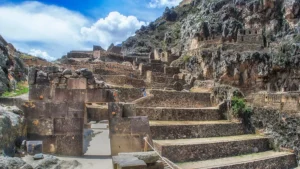
The region is the birthplace of thousands of varieties of potatoes. Learning these facts about Cusco helps travelers appreciate the nutritional science that fueled the Inca workers during their monumental constructions.
From the purple “Vitualla” to the “Chuño” (freeze-dried potato), these tubers were more than food; they were a secure storage system that allowed the empire to survive years of drought and famine.
12. Modern digital nomads
Interesting facts about Cusco now include its thriving cafe culture and high-speed connectivity. The city has become a hub for:
Remote workers: Drawn by the low cost of living and the unmatched Andean inspiration found in every courtyard.
Specialty coffee: Beans are brought directly from the Quillabamba and La Convención valleys, offering some of the best high-altitude roasts in the country.
Creative hubs: Co-working spaces are often located in renovated 17th-century casonas, blending ancient stone walls with ultra-fast fiber optics.
13. The flag mystery
Often mistaken for the pride flag, the flag of Cusco is a symbol rich in history and meaning. Its seven horizontal colors represent the unity and diversity of the Inca Empire, and it was officially adopted in 1978 to honor the city’s ancestral heritage. Understanding this flag gives travelers insight into the cultural pride and identity that continue to thrive in Cusco today.
Key facts about the Cusco flag:
- Seven Colors: Each stripe reflects aspects of the Andean worldview, from nature and fertility to harmony and community.
- Light Blue Stripe: Unlike the six-colored pride flag, the extra light blue represents the diverse nations united under Incan rule.
- Symbol of Tawantinsuyu: The flag honors the Inca Empire’s historical territory, showcasing the sophistication and reach of their civilization.
- Cultural Pride: Flying over plazas, government buildings, and cultural events, the flag reminds locals and visitors alike of Cusco’s deep-rooted history.
By learning these facts about Cusco, travelers can appreciate not only the city’s architecture and landscapes but also the symbols that reflect its identity and heritage.
14. Ancient Street Names
Many streets in Cusco still retain their original Quechua names, offering a fascinating glimpse into the city’s Incan past. These linguistic facts about Cusco show how history and culture remain alive in daily life, connecting modern visitors to centuries-old traditions.
Key examples of ancient street names:
- Purguay and Loretu: Streets that preserve their Quechua origins, maintaining the language and heritage in the city’s layout.
- Arequipa Street: Derived from the phrase “Ari, quepay”, meaning “Yes, stay here,” reflecting the welcoming nature that has defined Cusco for generations.
- Other Quechua Names: Many plazas, neighborhoods, and pathways continue to carry Quechua names, offering travelers a linguistic map of the Inca world.
By noticing and understanding these names, visitors gain a deeper appreciation for Cusco’s living history, seeing the city not just as a physical space, but as a vibrant tapestry of language, culture, and tradition.
15. The underground tunnels
Among the most mysterious facts about Cusco are the Chinkanas, or secret underground tunnels. These hidden passages add an air of intrigue to the city, blending legend and history in a way that fascinates both visitors and scholars.
Key facts about the underground tunnels:
- Legendary Connections: Some believe the tunnels connect the main temple in Cusco to the distant fortress of Sacsayhuamán, though much of this remains unverified.
- Historical Discoveries: Historians have uncovered small sections of these subterranean passages, suggesting practical uses during Incan times.
- Purpose and Function: Likely served for religious processions, discreet movement of the royal family, or safe passage during times of conflict.
- Mystery and Myth: Many tunnels remain unexplored, fueling local legends and adding to the city’s mystical allure.
Exploring the idea of the Chinkanas allows travelers to see Cusco not just as a city above ground, but as a complex, layered space where history, spirituality, and ingenuity converge beneath the streets.
You might be interested in: Festival of the Crosses 2026 in Peru
Essential museums to deepen your knowledge
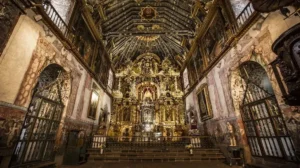
To truly grasp the complexity of the Andean worldview, visiting the local galleries is a must. These spaces offer a deeper look into the facts about Cusco that shaped the continent:
- Museo de Arte Precolombino (MAP): Located in a beautiful colonial mansion, it houses an exquisite collection of ceramics and jewelry from ancient Peru.
- Museo Inka: Run by the National University of Cusco, it offers the most comprehensive look at Incan history, including mummies and archaeological tools.
- Casa Concha Museum: Here you will find the artifacts returned by Yale University, which were originally excavated from Machu Picchu by Hiram Bingham.
- ChocoMuseo: A fun and interactive stop to learn about the history of cacao in Peru, an ingredient as rich as the local culture.
Exploring these museums allows visitors not only to admire ancient artifacts but also to understand the worldview, artistry, and ingenuity of the Inca civilization and its predecessors, providing context to the incredible legacy that Cusco preserves to this day. After immersing yourself in history, many travelers complement their cultural journey with experiences like a Hot Springs Lares tour, which combines relaxation and a connection to the natural landscapes surrounding Cusco.
Practical Tips for the Modern Explorer
When you travel to the Andes, the logistics can be as complex as the history. One of the most practical facts about Cusco is that the weather can change in minutes. Therefore, we recommend:
- Dress in layers: You can experience four seasons in a single day, from intense sun to freezing rain.
- Stay hydrated: Drink plenty of water and coca tea to help your body process the lack of oxygen at high altitudes.
- Use sun protection: The UV radiation is significantly higher in the mountains; a good hat and sunscreen are mandatory.
- Carry local currency: While many places accept cards, smaller markets and artisanal shops in San Blas often prefer Soles.
Following these simple tips will make your journey through Cusco safer, more comfortable, and more enjoyable, allowing you to fully immerse yourself in the city’s rich history and vibrant culture.
Planning your logistical transition from the coast to the highlands
While the city center is captivating, the connection to the rest of the country is key for a successful trip. Many travelers combine their stay in the mountains with coastal visits, often booking tours in Lima Peru to see the fascinating contrast between the colonial “City of Kings” and the Andean capital. Understanding these facts about Cusco and its proximity to other regions allows for a more holistic view of Peruvian history and modern life.
This transition requires intelligent planning. Most visitors opt for a short flight from the coast, but this sudden ascent can be a challenge. A recommended strategy is to travel directly to the Sacred Valley after landing, as its lower altitude facilitates a smoother adaptation before returning to explore the imperial city center.
You might be interested in: Peru in May 2026: A complete travel guide
Sustainable tourism and the path forward for 2026
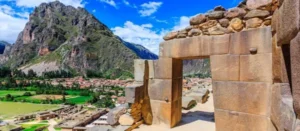
As we look toward the future, the preservation of this UNESCO World Heritage site is a global responsibility. New facts about Cusco emerge as eco-friendly practices take center stage, ensuring that tourism does not compromise the delicate mountain ecosystems. Responsible travel allows the “Navel of the World” to remain pristine, letting future generations experience the city’s rich history, sacred landscapes, and vibrant culture.
In 2026, sustainability extends beyond environmental protection—it also means supporting local economies and communities. Travelers are encouraged to participate in community-based rural tourism projects, such as guided treks led by local families, artisan workshops, and cultural exchange programs. These initiatives provide meaningful interactions while creating income opportunities for residents and preserving traditional knowledge.
Additionally, making conscious choices in accommodations, dining, and excursions can have a direct impact. Opt for services that prioritize plastic reduction, water conservation, and the use of clean energy. Choosing locally sourced meals, handicrafts, and guided tours with a trusted tour operator ensures your visit contributes positively to the region. By internalizing these facts about Cusco, your journey becomes more than sightseeing—it becomes a transformative experience, one that respects the heritage, natural beauty, and cultural richness of the Andes.
Conclusion: Why these facts matter for your journey
Understanding the facts about Cusco allows you to see the city through a lens of profound respect. It is a place of resilience, ingenuity, and spiritual significance. By learning these facts about Cusco, travelers can craft a journey that goes beyond the typical tourist path and enters the very heart of history.
Every stone, plaza, and festival tells a story of survival, cultural pride, and human creativity. By traveling with this prior knowledge, you stop being a simple spectator and become a conscious guest in the land of the Incas. The true magic lies in the continuity of traditions that remain alive in the language, the cuisine, the rituals, and the smiles of its people.
Moreover, understanding and honoring these facts encourages responsible travel. Whether participating in community-based tours, choosing eco-friendly accommodations, or exploring hidden corners with a trusted tour operator, your presence can support the preservation of Cusco’s heritage while enriching your own experience.
As you walk away from the red-tiled roofs and the sound of Quechua echoing in the plazas, you carry a piece of the puma’s heart within you.