
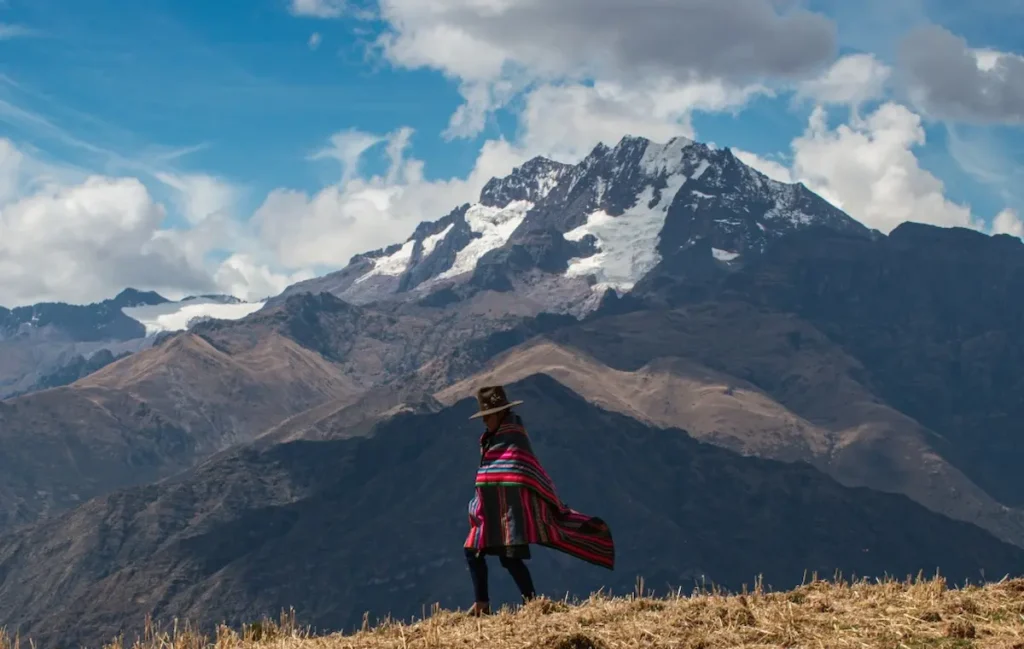
Planning a trip to Peru can be exciting, especially if you’re considering visiting during the country’s winter season. Many travelers assume that winter means freezing temperatures and constant rain, but winter in Peru is far more diverse than most people expect. Because Peru stretches from the Pacific coast to the Andes Mountains and into the Amazon rainforest, each region experiences winter differently, creating unique opportunities for sightseeing, adventure, and cultural experiences.
Whether you’re hoping to explore the iconic ruins of Machu Picchu, enjoy sunny days along the coast, hike through breathtaking mountain landscapes, or discover the incredible biodiversity of the Amazon, will help you make the most of your trip. In fact, for many travelers, this season is considered the ideal time to visit thanks to its pleasant weather, clear skies in the Andes, and excellent conditions for outdoor activities.
This guide covers everything you need to know about winter in Peru, including regional weather patterns, average temperatures, what to pack, the best places to visit, and practical travel tips. By the end, you’ll have a clear idea of what to expect and how to plan an unforgettable journey through one of South America’s most fascinating destinations.
What Is Winter in Peru Like?
Unlike countries in North America or Europe, winter in Peru doesn’t bring snow across the entire country. Peru is located in the Southern Hemisphere, which means its seasons are opposite to those in the Northern Hemisphere. Winter officially runs from June through September, while summer takes place from December to March.
However, the weather varies dramatically depending on where you travel.
The country can be divided into three major geographical regions:
- The Pacific Coast
- The Andes Highlands
- The Amazon Rainforest
Each of these regions has its own climate, making an incredibly diverse travel experience.
For visitors, this diversity is actually one of Peru’s greatest strengths. It is possible to enjoy cool mornings by the ocean, spend the afternoon hiking under brilliant blue skies in the mountains, and finish your vacation surrounded by lush rainforest landscapes.
Why Visit Peru During Winter?
Many experienced travelers intentionally schedule their vacations during winter, especially if they plan to explore historical sites and natural attractions.
Some of the biggest advantages include:
- Dry weather across the Andes
- Excellent visibility for mountain photography
- Comfortable hiking conditions
- Lower humidity in many destinations
- Numerous cultural festivals
- Ideal conditions for adventure tourism
- Cooler temperatures along the coast
Another important reason is that winter coincides with Peru’s peak tourist season in the Andean region. Although popular destinations receive more visitors, the dry weather significantly reduces the chance of travel disruptions caused by heavy rain.
You might be interested in: Spring break in Peru: Best things to do in Lima
Understanding Peru’s Three Climate Regions
Before discussing temperatures, it’s important to understand that there isn’t a single climate that defines winter.
The Pacific Coast
The Peruvian coast includes famous cities such as Lima, Paracas, Huacachina, Trujillo, and Mancora.
Winter here is characterized by:
- Mild temperatures
- High humidity
- Cloudy mornings
- Very little rainfall
- Cool ocean breezes
Despite the overcast skies in cities like Lima, rainfall remains extremely rare.
The Andes
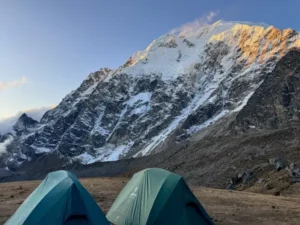
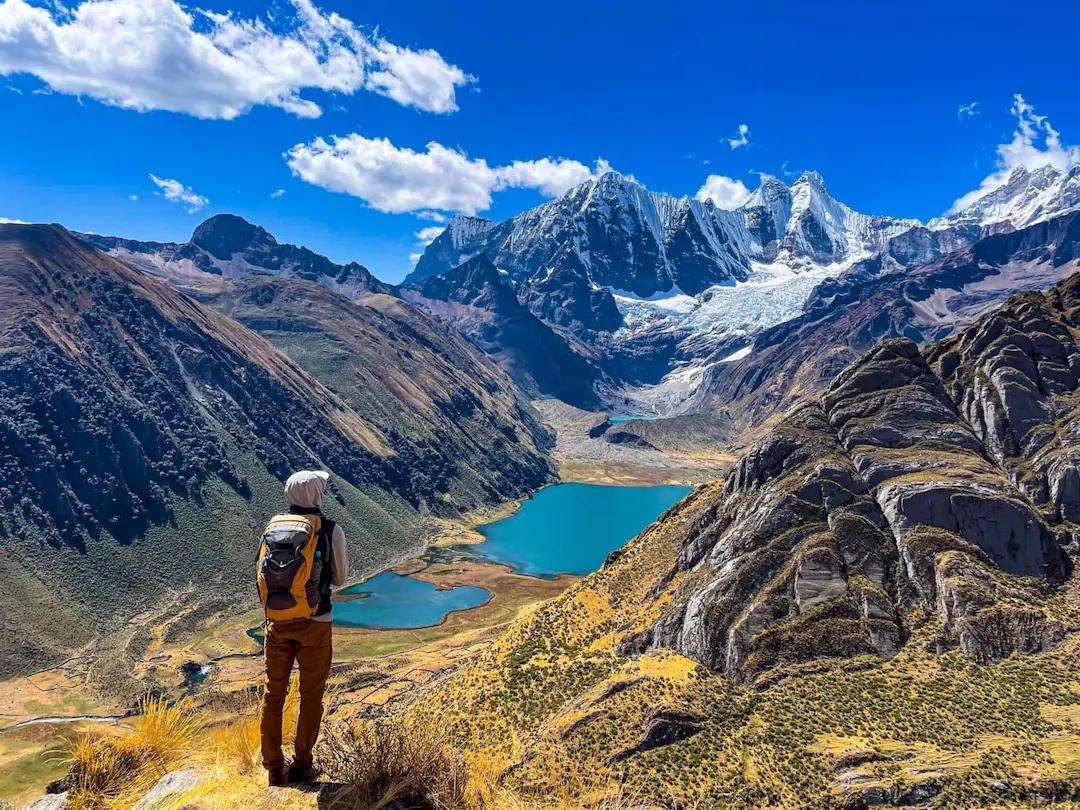
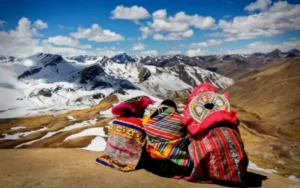
The Andes experience what many travelers consider the best weather of the year.
During winter in Peru, you’ll usually find:
- Bright sunny days
- Clear blue skies
- Cold nights
- Minimal rainfall
- Excellent hiking conditions
This is why winter is widely regarded as the best season to visit Cusco and Machu Picchu.
The Amazon
The Amazon rainforest never truly experiences a traditional winter.
Instead, travelers can expect:
- Warm temperatures year-round
- Frequent humidity
- Occasional rain showers
- Rivers at moderate levels
- Excellent wildlife viewing opportunities
Even though rainfall can occur in every season, winter generally brings slightly drier conditions compared to the wettest months.
You might be interested in: What to do in Lima Peru for a day | 1-day guide
Winter Weather in Peru by Region
One of the most common questions travelers ask is whether winter in Peru is cold.
The answer depends entirely on where you’re going.
Lima and the Central Coast
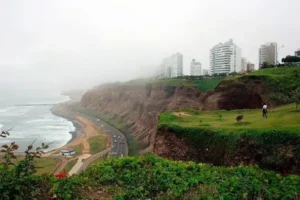
Lima experiences one of the mildest winters in South America.
Average temperatures include:
| Time of Day | Temperature |
|---|---|
| Morning | 15°C (59°F) |
| Afternoon | 19°C (66°F) |
| Evening | 16°C (61°F) |
Instead of rain, visitors notice a thick layer of coastal fog called garúa. This mist creates gray skies but rarely develops into actual rainfall.
Although the beaches remain open, swimming can feel chilly because of the cold Humboldt Current.
Cusco and the Sacred Valley
The Andean highlands offer some of the best conditions during winter.
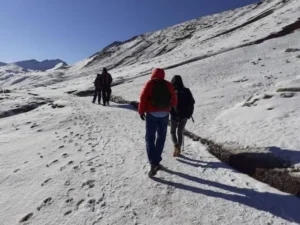
Average daytime temperatures:
- 18°C to 21°C (64°F–70°F)
Nighttime temperatures:
- 0°C to 5°C (32°F–41°F)
The large difference between daytime and nighttime temperatures surprises many visitors.
Warm sunshine during the day often makes hiking comfortable, while evenings require insulated jackets.
This dry climate also creates ideal conditions for photography since mountain views remain crystal clear throughout most days.
Machu Picchu
Although Machu Picchu sits at a lower elevation than Cusco, it still experiences pleasant winter weather.
Typical temperatures:
- Daytime: 18°C–23°C (64°F–73°F)
- Nighttime: 8°C–11°C (46°F–52°F)
Morning clouds frequently lift as the day progresses, revealing spectacular panoramic views.
This is one reason why many visitors choose winter for their Machu Picchu adventure.
If you’re planning to explore both the Sacred Valley and the Inca citadel, many travelers choose the Sacred valley and Machu Picchu 2D Y 1n itinerary because it allows enough time to enjoy the archaeological sites without feeling rushed.
Arequipa
Known as the White City, Arequipa enjoys beautiful winter weather.
Typical conditions include:
- Sunny afternoons
- Dry climate
- Cool evenings
- Excellent visibility of surrounding volcanoes
Average temperatures range between:
- 9°C (48°F) at night
- 23°C (73°F) during the day
Puno and Lake Titicaca
Because of its altitude, Puno experiences some of the coldest temperatures during winter.
Average temperatures:
- Daytime: 15°C (59°F)
- Nighttime: -2°C (28°F)
Visitors should prepare for freezing nights, especially if staying on one of Lake Titicaca’s islands.
The Amazon Region
Cities such as Puerto Maldonado and Iquitos remain warm throughout the year.
Average temperatures:
- Daytime: 28°C–31°C (82°F–88°F)
- Nighttime: 20°C–23°C (68°F–73°F)
One interesting phenomenon during winter is the occasional friaje, a cold front arriving from Patagonia.
These events may temporarily lower temperatures for one or two days before tropical conditions quickly return.
You might be interested in: 12 Best Remedies for Altitude Sickness in Cusco
Average Temperatures During Winter in Peru
Here’s a quick overview of average winter temperatures across the country.
| Destination | Day | Night |
|---|---|---|
| Lima | 19°C | 15°C |
| Cusco | 20°C | 2°C |
| Machu Picchu | 22°C | 10°C |
| Arequipa | 23°C | 9°C |
| Puno | 15°C | -2°C |
| Puerto Maldonado | 30°C | 22°C |
These averages clearly show why planning for winter requires packing for multiple climates if your itinerary includes different regions.
What to Pack for Winter in Peru
Packing wisely is one of the most important parts of preparing for winter. Since temperatures can vary significantly between the coast, the mountains, and the rainforest, dressing in layers is the best strategy.
Essential Clothing
A well-planned suitcase should include:
- Lightweight T-shirts
- Long-sleeve shirts
- Warm fleece jacket
- Waterproof outer layer
- Comfortable hiking pants
- Jeans or casual trousers
- Thermal underwear for high-altitude destinations
- Comfortable walking shoes
- Hiking boots if trekking
- Hat for sun protection
- Wool hat for cold nights
- Gloves for the Andes
- Sunglasses
- Breathable socks
Even during winter, the Andean sun is surprisingly strong due to the high altitude.
Travel Essentials
Besides clothing, don’t forget:
- Sunscreen with high SPF
- Lip balm
- Reusable water bottle
- Portable charger
- Basic first-aid kit
- Personal medications
- Camera
- Insect repellent for the Amazon
- Rain cover for your backpack
Packing versatile clothing will make moving between Peru’s different climates much easier.
You might be interested in: Top 10 festivals in Lima, Peru you can’t miss in 2026
Best Destinations to Visit During Winter in Peru
One of the biggest advantages of traveling during winter is that nearly every region offers something unique. While the Andes enjoy clear skies and ideal trekking conditions, the coast provides a refreshing escape with mild temperatures, and the Amazon remains vibrant with incredible wildlife.
Cusco
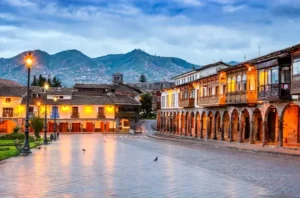
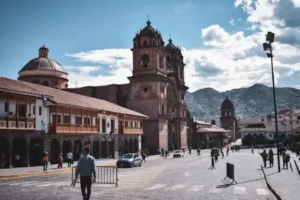
Cusco is undoubtedly one of the top destinations during winter. As the historic capital of the Inca Empire, it combines fascinating history, impressive colonial architecture, lively local markets, and easy access to some of the country’s most famous archaeological sites.
The dry season allows visitors to explore the city’s cobblestone streets comfortably while enjoying spectacular mountain views that are often hidden during the rainy months.
Many travelers also use Cusco as the starting point for excursions to the Sacred Valley and Machu Picchu, making it an essential stop on any Peru itinerary.