
The Inca empire agriculture system is one of the most fascinating examples of ancient human adaptation to extreme environments. Built across the Andes, it managed to sustain millions of people in some of the most difficult terrains on Earth. It becomes clear that this was not just a method of farming, but a complete social, economic, and environmental system designed for survival and efficiency.
What makes this agricultural system particularly remarkable is how it transformed steep mountains, dry valleys, and unpredictable climates into productive farmland. Through terraces, irrigation channels, and crop diversification, the Incas created a stable food supply that supported a vast civilization. Today, it continues to inspire researchers, agronomists, and historians who seek to understand how ancient societies achieved such agricultural success without modern technology.
In this article, we will explore how this system worked, the innovations behind it, and the secrets of high-altitude farming that allowed the Incas to thrive in the Andes.
Understanding Inca empire agriculture
The Inca empire agriculture system was built on efficiency, long-term planning, and an extremely detailed understanding of environmental conditions. Unlike modern industrial farming, it relied on working in harmony with nature rather than attempting to dominate it. Farmers developed an advanced knowledge of soil types, rainfall behavior, temperature shifts, and altitude differences, adapting their methods to each micro-region of the Andes.
One of the most important strengths of Inca empire agriculture was its decentralized yet highly organized structure. Local communities, known as ayllus, were responsible for cultivating their own lands, but they also contributed labor to state-controlled fields. This dual system ensured that agricultural production was both locally sustainable and strategically managed at an imperial level. As a result, Inca empire agriculture was able to support large populations even in geographically challenging regions.
Another key pillar of this system was its sophisticated redistribution network. Instead of relying on individual surplus, harvests were collected and stored in state granaries located across the empire. These storage facilities allowed resources to be redistributed during droughts, military campaigns, or natural disasters. This mechanism significantly reduced the risk of famine and helped maintain political stability across vast territories.
Beyond its logistical strength, this system also reflected a deep understanding of environmental balance and resource management. Every region contributed according to its capacity, while also receiving support when conditions became unfavorable. This reciprocal flow of resources helped maintain equilibrium between highland and lowland communities, reinforcing both economic stability and social cohesion across the empire.
Environmental adaptation and resilience
The success of this system was also closely tied to its ability to adapt to extreme environmental conditions. Farmers carefully selected crop varieties based on altitude, temperature, and soil quality, allowing them to maximize productivity in each ecological zone. This adaptability reduced the impact of climate variability and ensured consistent food production throughout the year.
The organization of the system can be understood through several core principles:
- Careful use of microclimates to maximize crop diversity
- Vertical land management across different altitude levels
- Collective labor systems that ensured equal participation
- Large-scale storage and redistribution of agricultural goods
- Strong integration between agricultural activity and cultural beliefs
Each of these elements worked together to create a highly resilient structure that could adapt to environmental and political changes. The flexibility of Inca empire agriculture allowed it to remain productive even in extreme conditions where other civilizations would have struggled to survive.
Ultimately, this system was not static but constantly refined through observation and experience. The ability to adjust farming strategies based on ecological feedback is one of the main reasons Inca empire agriculture became one of the most successful agricultural models in pre-Columbian history.
You might be interested in: Corpus Christi in Cusco 2026: The ultimate visitor’s guide to the festival
High-altitude farming systems
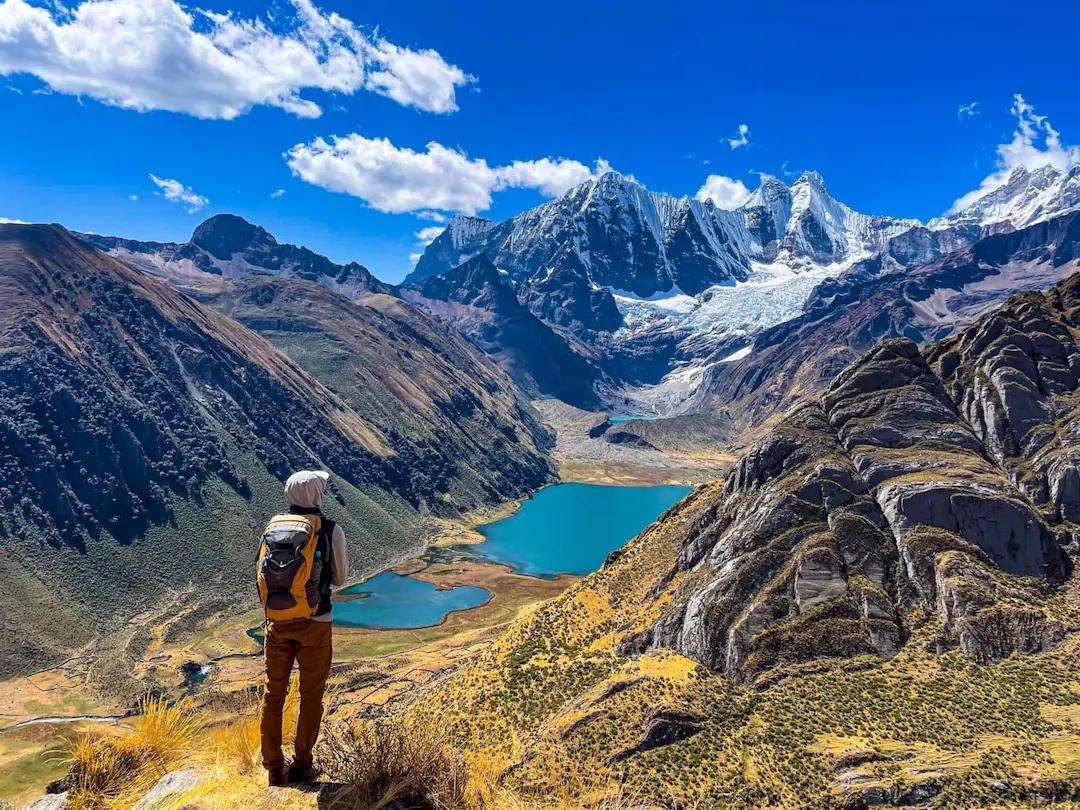
One of the most impressive aspects of Inca empire agriculture was its ability to produce food at elevations where farming might appear almost impossible. Mountainous regions presented several challenges, including low temperatures, thin soils, intense sunlight, irregular rainfall, and sudden changes in weather. Instead of treating these conditions as limitations, Andean farmers developed methods that allowed them to use each ecological zone according to its particular characteristics.
Agricultural knowledge was built through generations of observation and practical experience. Farmers learned how temperature, soil moisture, slope orientation, and exposure to sunlight affected the development of different crops. This understanding helped communities decide where to plant, when to begin each growing cycle, and which varieties were most likely to survive in a particular environment.
Crops adapted to extreme conditions
The Incas cultivated plant varieties capable of tolerating cold nights, strong winds, limited rainfall, and short growing seasons. Potatoes were especially important because different varieties could grow at elevations where maize and other crops were less productive. Quinoa, oca, olluco, mashua, and several hardy grains also formed part of this diverse agricultural system.
Rather than depending on a single crop, farmers planted several varieties with different levels of resistance. Some matured quickly, while others tolerated frost, poor soils, or periods of reduced rainfall. This diversity helped protect communities from losing an entire harvest when environmental conditions changed unexpectedly.
The natural difference between daytime and nighttime temperatures was also used for food preservation. In high mountain areas, potatoes could be exposed to freezing temperatures at night and strong sunlight during the day. Through a repeated process of freezing, drying, and pressing, communities produced chuño, a lightweight and long-lasting food that could be stored for extended periods.
The use of adapted crops offered several advantages:
- Greater resistance to frost and temperature changes
- Improved food security during difficult seasons
- Better use of soils found at different elevations
- Increased diversity within local harvests
- Long-term preservation of essential foods
These practices demonstrate that high-altitude farming was based on careful selection rather than chance. Farmers continually observed which plants performed best and preserved seeds from the strongest varieties for future growing seasons.
Vertical farming zones and risk management
The Andes contain several ecological zones within relatively short distances. A traveler can move from a warm valley to a cold mountain plateau in only a few hours. The Incas used this vertical geography to cultivate different crops according to altitude, temperature, and soil conditions.
Lower valleys were generally suitable for maize, fruits, peppers, and other crops that required warmer temperatures. Middle elevations supported potatoes, legumes, and several native tubers. At higher altitudes, farmers relied on quinoa, cañihua, and resistant varieties capable of growing under colder and more demanding conditions.
The main agricultural zones included:
- Lower valleys: maize, fruits, peppers, and warmer-climate crops
- Middle elevations: potatoes, beans, squash, and native tubers
- High-altitude areas: quinoa, cañihua, and frost-resistant crops
This vertical organization allowed communities to obtain a wider range of foods while reducing the risk of widespread crop failure. When frost, drought, or excessive rainfall affected one elevation, fields located in another zone could continue producing. Agricultural land was therefore distributed across different environments instead of being concentrated in a single location.
Exchange between communities was also essential. Products grown in warm valleys could be traded or redistributed to settlements located at higher elevations, while highland communities supplied potatoes, grains, wool, and preserved foods. Roads, storage facilities, and administrative centers helped move these resources across the empire.
Experimentation strengthened this system even further. Farmers tested seeds in different soils, adjusted planting dates, and observed how crops responded to changing weather patterns. Successful varieties were preserved and shared with other communities. This continuous process of adaptation made Inca empire agriculture highly resilient and capable of supporting populations across one of the most geographically diverse regions of the ancient world.
You might be interested in: Top 20 Lima bars you need to try today
Terracing and irrigation engineering
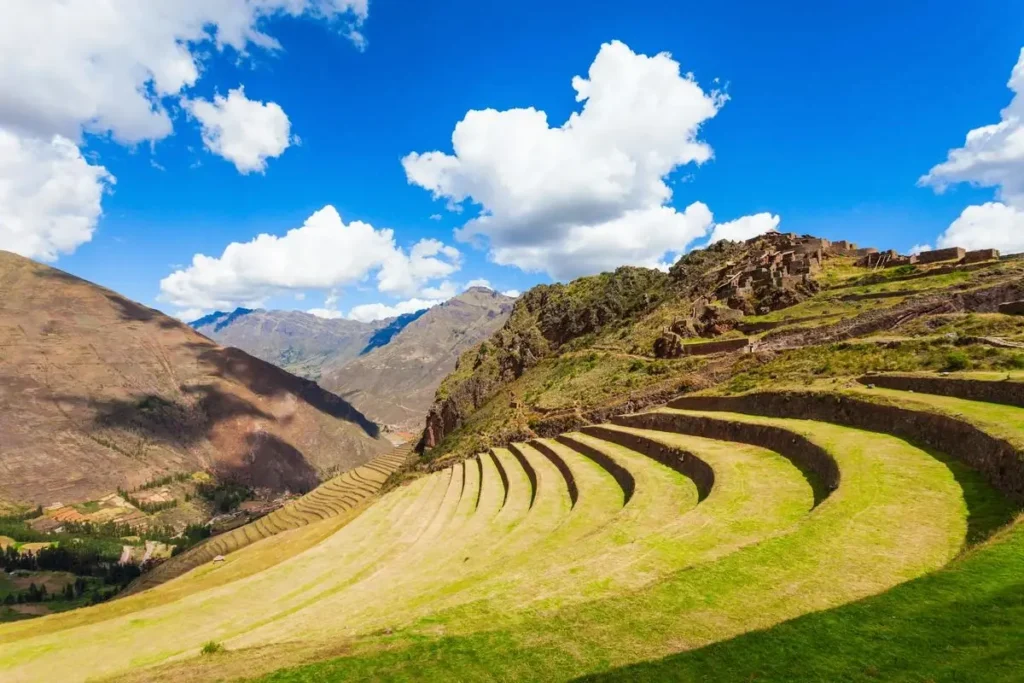
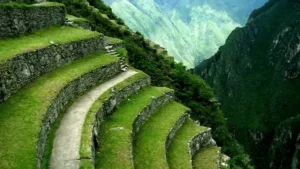
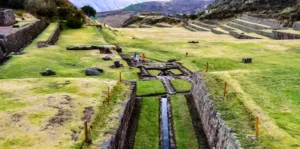
Terracing is one of the most iconic agricultural innovations developed in the Andes. By carving stepped platforms into steep mountainsides, ancient farmers were able to create flat, stable surfaces suitable for cultivation. These structures helped reduce soil erosion, improved water retention, and significantly increased agricultural productivity in difficult terrains.
The terrace systems were not only practical but also highly engineered. Each level was carefully designed with drainage channels that controlled excess water flow, helping to prevent landslides and minimize flooding during heavy rains. This level of precision is one of the reasons this agricultural system continues to be studied by modern researchers.
Irrigation played an equally important role in sustaining high-altitude farming communities. Complex canal networks were constructed to transport water from mountain springs directly to cultivated fields. These systems ensured a consistent water supply even in dry or remote areas, making cultivation possible in regions that would otherwise remain unproductive.
The main principles behind these irrigation systems included:
- Gravity-driven water distribution for efficiency
- Stone-lined canals for durability and long-term use
- Seasonal management of water resources based on climate variation
- Integration between terraces and irrigation networks for maximum efficiency
Together, terracing and irrigation formed the structural foundation of Inca empire agriculture, allowing food production in environments that would normally be considered unsuitable for farming. This system represents one of the most advanced examples of environmental adaptation in ancient history.
Crops and food security
The agricultural system developed in the Andes was highly diverse in terms of crop production, and this diversity was a fundamental factor for survival in such unpredictable environments. The most important crops included potatoes, maize, quinoa, and a wide variety of native tubers that adapted to different ecological conditions.
Potatoes played a central role in Inca empire agriculture, especially in high-altitude regions where other crops could not easily survive. Over time, farmers developed thousands of potato varieties, each adapted to specific soil types, climates, and altitudes. This genetic diversity significantly increased resilience against frost, pests, and changing weather conditions.
Maize, in contrast, held both agricultural and cultural importance. It was often cultivated in more favorable climates and was used not only as a food source but also in ceremonial and ritual practices. The system ensured that maize production was carefully managed and distributed according to environmental suitability.
Food security was maintained through advanced storage systems known as qullqas, which were built across the empire. These storage facilities allowed surplus harvests to be preserved for long periods, ensuring availability during droughts, conflicts, or years of low production.
A key strength of Inca empire agriculture was its structured approach to balance and sustainability:
- Surplus production during favorable seasons, ensuring that excess food could support future needs
- Redistribution of food during shortages or crises, helping prevent famine in vulnerable regions
- Strategic crop rotation to preserve soil quality and maintain long-term fertility
- Preservation techniques such as freeze-drying to extend shelf life and secure food availability throughout the year
Each of these elements worked together to strengthen the overall system, creating a reliable network of production and distribution that could adapt to climate variation and geographic diversity.
Social organization and agriculture
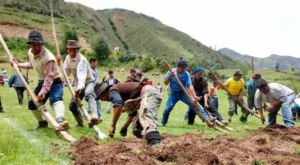
The success of agricultural production in the Andes was not only the result of technical innovation but also of a highly organized social structure. Farming was deeply embedded in the fabric of society, where entire communities participated collectively in cultivation, maintenance, and harvesting activities under shared responsibility systems such as the mita.
This system allowed labor to be distributed across different regions and projects, ensuring that agricultural production and infrastructure development progressed in parallel. In this way, Inca empire agriculture was not an isolated activity but part of a broader social and economic network that depended on cooperation between individuals, communities, and the state.
Reciprocity was one of the most important principles guiding this organization. Farmers provided labor and in return received access to land, protection, and redistributed resources during times of need. This mutual exchange strengthened social cohesion and ensured that agricultural productivity remained stable even under challenging conditions.
Religious beliefs also played a significant role in reinforcing agricultural practices. The Incas believed that natural forces such as the land, water, sun, and mountains were sacred entities that directly influenced harvest outcomes. For this reason, rituals and ceremonies were performed throughout the agricultural cycle to ensure fertility, favorable weather, and successful production.
The spiritual dimension of Inca empire agriculture helped unify practical farming methods with cultural and religious traditions, making agriculture not only a means of survival but also an expression of worldview and identity.
Knowledge sharing and trade further contributed to the development of the system. Agricultural techniques, crop varieties, and tools were exchanged between regions, allowing communities to learn from one another and improve productivity. This constant exchange of information helped strengthen resilience and adaptability across different ecological zones.
Key elements of this social organization included:
- Collective labor systems based on reciprocity and cooperation
- Redistribution of resources during periods of scarcity
- Integration of religious beliefs into agricultural cycles
- Exchange of knowledge between different regions and communities
- Coordination between local groups and centralized authority
Together, these elements created a highly interconnected system where agriculture, society, and culture functioned as a unified structure, ensuring stability and long-term sustainability across the Andean world.
You might be interested in: 200 Best family travel quotes to inspire your next
Legacy of Inca empire agriculture
The agricultural legacy developed in the Andes continues to have a strong influence on modern farming practices, particularly in mountainous and high-altitude regions. Techniques such as terracing, vertical land management, and crop diversification are still applied today as effective solutions for challenging environments.
Researchers studying ancient Andean systems have found that many principles behind this agricultural model align closely with modern concepts of sustainability. The emphasis on biodiversity, soil conservation, and efficient water use demonstrates how advanced this system was for its time, making it a valuable reference for environmental science and regenerative agriculture approaches.
In rural areas of Peru, some of these traditional methods are still visible and actively maintained. Travelers interested in cultural and historical landscapes often discover them through cusco tours, where ancient terraces and farming systems remain part of the living heritage of Andean communities.
At the same time, cultural preservation initiatives and historical research projects—often coordinated by a tour operator—help document and protect these agricultural traditions. These efforts ensure that knowledge about ancient farming systems is not lost and can continue to inform both education and sustainable development.
For those who want to explore deeper historical routes, journeys such as the Classic Inca Trail 4 Days to Machu Picchu offer a direct connection to how agriculture supported settlements, trade routes, and survival strategies across the Andes.
Ultimately, Inca empire agriculture remains one of the clearest examples of how human societies can adapt intelligently to extreme environments. Its legacy demonstrates that long-term sustainability is possible when farming systems are designed in harmony with nature rather than in opposition to it.
You might be interested in: 25 Best Restaurants in Lima 2026
Conclusion
The Inca empire agriculture represents far more than ancient farming techniques; it reflects a complete understanding of nature, climate, and community organization. Through innovation, cooperation, and deep respect for the environment, it sustained one of the most impressive civilizations in history, even in some of the most challenging geographic conditions on Earth.
What makes this system especially remarkable is its ability to integrate engineering, social structure, and ecological awareness into a single coherent model. Many of its principles remain relevant today, especially in discussions about sustainability, food security, and climate adaptation.
Studying Inca empire agriculture today allows us to rethink modern agricultural challenges and explore more sustainable solutions inspired by ancient knowledge. Its legacy continues to influence new approaches to farming in difficult terrains, proving that traditional systems can still provide powerful lessons for the present and future.
Beyond its historical importance, the Inca empire agriculture also invites reflection on how modern agriculture can evolve by learning from past practices. The balance between productivity and environmental respect achieved in the Andes shows that long-term sustainability is possible when human activity works in harmony with natural ecosystems. This perspective of the Inca empire agriculture makes its legacy not only relevant for historians, but also for farmers, scientists, and policymakers today.