

Many travelers arrive in Peru expecting to see llamas in the Andes or colorful birds in the Amazon. However, the reality goes much further. Peru protects an astonishing variety of animals that have influenced history, local traditions, indigenous communities, and even modern conservation efforts.
This guide explores 20 remarkable species often associated with the national animals of Peru, their habitats, cultural importance, and why they continue to fascinate visitors from around the world.
What is Peru’s national animal?
Peru is home to an extraordinary variety of animals, many of which hold an important place in the country’s culture, history, and natural heritage. Among the species most closely associated with Peru, the vicuña stands out as one of the country’s most recognizable animal symbols.
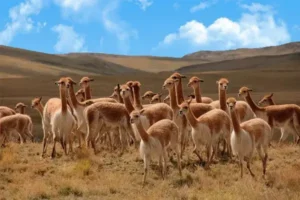
The vicuña is a wild relative of the llama and alpaca that lives in the high-altitude landscapes of the Peruvian Andes. Its exceptionally fine wool was highly valued during the Inca Empire and was traditionally reserved for royalty. Today, the vicuña continues to represent the richness of Peru’s Andean heritage and its commitment to protecting native wildlife.
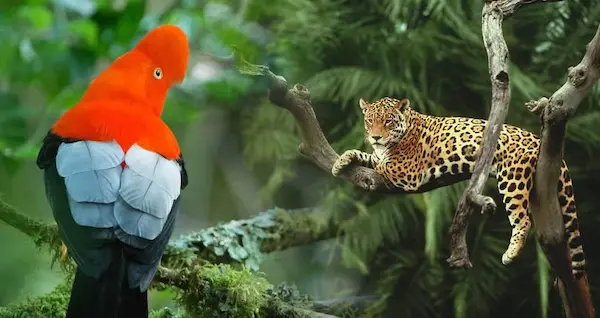
Peru also has other animals with special national significance. The Andean cock-of-the-rock, for example, is the country’s national bird. With its striking orange plumage and distinctive crest, this colorful species inhabits the forests of the eastern Andes and the Amazon.
Together, these species highlight the connection between Peru’s wildlife, landscapes, and cultural traditions. From the high Andes to the Amazon rainforest, the country’s animals are an essential part of its identity and one of the reasons Peru is considered one of the world’s most biodiverse countries.
You might be interested in:Highest Mountains in Peru Guide 2026
Discover the 20 national animals of Peru and their cultural importance
The national animals of Peru represent much more than wildlife species. They reflect the country’s biodiversity, cultural identity, and the connection between nature and history across the coast, Andes, and Amazon regions. From iconic animals like the vicuña and Andean condor to Amazon species such as the jaguar and pink river dolphin, each one plays an important role in Peru’s natural heritage. Below, explore 20 remarkable species that symbolize the richness of Peruvian wildlife.
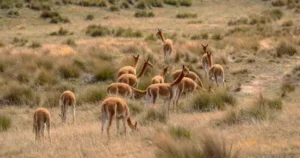
1. Vicuña – Peru’s official national animal
The vicuña (Vicugna vicugna) holds a special place among the national animals of Peru because it is officially recognized as the country’s national animal.
This elegant camelid inhabits the high Andes at elevations exceeding 3,500 meters. It is famous for producing one of the finest and most expensive natural fibers in the world.
Why the vicuña matters:
- Appears on Peru’s coat of arms
- Represents national wealth and biodiversity
- Protected through conservation initiatives
- Revered since Inca times
Ancient civilizations valued vicuña wool so highly that only royalty could wear garments made from it.
2. Andean condor
The Andean condor is among the most iconic national animals of Peru and one of the largest flying birds on Earth.
With wingspans reaching over three meters, these majestic birds soar across Andean valleys and cliffs.
Interesting facts:
- Symbolizes freedom and spirituality
- Sacred in Andean mythology
- Can live over 50 years
- Frequently seen near Colca Canyon
The condor remains deeply connected to indigenous beliefs throughout Peru.
3. Llama
The llama has become an international symbol of Peru.
Domesticated thousands of years ago, llamas were essential transportation animals during the Inca Empire.
Today they remain among the most recognized national animals of Peru, especially in Cusco and surrounding Andean communities.
Main characteristics:
- Friendly temperament
- Excellent pack animals
- Adapted to high altitude
- Important for local economies
Visitors exploring Lima tours often continue toward Andean regions to encounter these iconic animals in traditional villages.
You might be interested in:Cusco Bars: Nightlife Guide & Tips

4. Alpaca
Closely related to the llama and vicuña, alpacas are famous worldwide for their luxurious fiber.
Peru hosts most of the global alpaca population, making them an essential part of Andean culture.
Their soft wool supports thousands of artisans and textile producers.
Alpaca varieties:
Huacaya Alpaca
- Dense wool
- Fluffy appearance
Suri Alpaca
- Long silky fiber
- Less common
Among the national animals of Peru, alpacas are strongly linked with local craftsmanship.
5. Jaguar
Deep inside the Peruvian Amazon lives the powerful jaguar.
This apex predator symbolizes strength, mystery, and leadership across indigenous traditions.
The jaguar plays a crucial ecological role by maintaining rainforest balance.
Habitat:
- Amazon rainforest
- Protected reserves
- Dense tropical ecosystems
Because of its importance, many lists discussing the national animals of Peru include the jaguar as an unofficial representative species.
6. Spectacled bear
The spectacled bear is South America’s only native bear species.
Named after the light facial markings around its eyes, it inhabits Peru’s cloud forests.
Conservation importance:
- Vulnerable species
- Key seed disperser
- Indicator of ecosystem health
These shy bears contribute significantly to Andean biodiversity.
7. Humboldt Penguin
Not many travelers expect penguins in Peru.
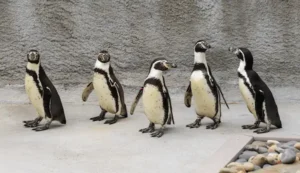
Yet along Peru’s Pacific coast lives the Humboldt penguin.
These birds adapt to cold ocean currents despite the country’s warm reputation.
Main locations include:
- Ballestas Islands
- Paracas Reserve
- Coastal cliffs
Many travelers exploring Ica tours visit Paracas to observe these fascinating marine species.
You might be interested in:Tips for Travellers: Smart Travel Guide
8. Scarlet macaw
The scarlet macaw brings vibrant color to the Amazon.
Its striking red, yellow, and blue feathers make it one of the most recognizable birds among the national animals of Peru.
Notable traits:
- High intelligence
- Strong social behavior
- Lifespan exceeding 40 years
Clay lick gatherings in the Amazon provide spectacular wildlife experiences.
9. Giant otter
The giant otter inhabits rivers and wetlands throughout Peru’s Amazon basin.
Unlike typical otters, these animals can exceed 1.5 meters in length.
They live in family groups and communicate through vocal sounds.
Threats include:
- Habitat loss
- Illegal activities
- Water contamination
Conservation projects continue protecting their habitat.
10. Pink river dolphin
Among the most magical national animals of Peru is the Amazon river dolphin.
Locally called bufeo colorado, this freshwater species has inspired numerous legends.
Key features:
- Pink coloration
- Exceptional echolocation
- Flexible neck movement
These dolphins inhabit Amazon tributaries and flooded forests.
11. Cock-of-the-rock
Peru’s national bird is the Andean cock-of-the-rock.
Males display brilliant orange plumage and distinctive fan-shaped crests.
Cultural relevance:
- National symbol
- Featured in wildlife tourism
- Important for seed dispersal
It remains one of the most visually impressive national animals of Peru.
12. Sea lion
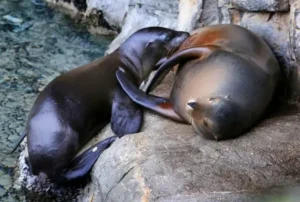
Peru’s coastline hosts large colonies of South American sea lions.
They inhabit rocky islands and marine reserves.
Visitors frequently observe them resting along the Ballestas Islands.
Behavior highlights:
- Social groups
- Loud vocalizations
- Strong swimmers
Sea lions contribute significantly to marine ecosystems.
You might be interested in:Peru in June: Weather & Travel Tips
13. Taruca deer
The taruca is an Andean deer adapted to rugged mountain environments.
Although lesser known internationally, it is highly valued in Peruvian wildlife conservation.
Characteristics include:
- Thick fur
- Mountain agility
- High-altitude adaptation
The taruca represents Andean biodiversity preservation.
14. Giant hummingbird
Peru hosts hundreds of hummingbird species.
The giant hummingbird stands out due to its remarkable size.
Despite being larger than typical hummingbirds, it retains impressive hovering abilities.
It inhabits:
- Andean valleys
- Dry forests
- Mountain ecosystems
Birdwatchers frequently seek this species.
15. Capybara
The capybara is the world’s largest rodent.
These social animals inhabit wetlands and Amazon regions.
Fun facts:
- Excellent swimmers
- Live in groups
- Semi-aquatic lifestyle
Their calm behavior makes them popular among wildlife enthusiasts.
16. Black Caiman
The black caiman dominates many Amazon waterways.
As one of the largest reptiles in South America, it plays an important ecological role.
Ecological role:
- Predator regulation
- Food chain balance
- Wetland conservation indicator
Protection efforts have improved populations in recent decades.
17. Amazonian manatee
The Amazonian manatee is among Peru’s most threatened aquatic mammals.
Habitat destruction and human pressures continue affecting populations.
Why conservation matters:
- Slow reproduction
- Vulnerable status
- Essential ecosystem role
Wildlife centers in Peru support rehabilitation programs.
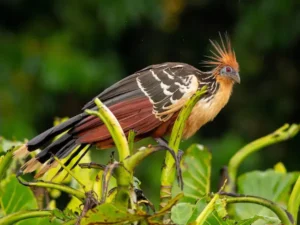
18. Hoatzin
The hoatzin is one of the world’s strangest birds.
Nicknamed the “stinkbird,” it has an unusual digestive system resembling ruminants.
Young hoatzins even possess clawed wings.
This uniqueness secures its place among remarkable national animals of Peru.
You might be interested in:Is Peru Safe to Travel? A 2026 Safety Guide for visitors
19. Ocelot
Smaller than a jaguar but equally elegant, the ocelot inhabits forests across Peru.
Its beautiful spotted coat once made it a target for illegal trade.
Today, conservation programs help protect the species.
Characteristics:
- Nocturnal hunter
- Solitary behavior
- Excellent climber
20. Puna flamingo
The puna flamingo inhabits Andean lagoons and salt flats.
Its pink tones and graceful movements create unforgettable landscapes.
Main habitats include:
- High-altitude lakes
- Wetlands
- Salt marshes
The species contributes to Peru’s unique mountain ecosystems.
Why the national animals of Peru matter for conservation?
Peru’s wildlife represents much more than an attraction for visitors. Each species plays an essential role within its ecosystem and reflects the deep connection between nature, culture, and local communities that has existed for centuries.
Many animals found across the country are linked to ancestral traditions, indigenous beliefs, and regional identities. In Andean communities, certain species are viewed as symbols of prosperity and harmony with nature, while in the Amazon they are part of stories, rituals, and traditional knowledge passed down through generations.
These species also contribute directly to environmental balance by supporting processes such as seed dispersal, population control, pollination, and habitat preservation. Their presence helps maintain healthy ecosystems and protects biodiversity across different regions.
Peru is home to an extraordinary variety of landscapes, including:
- Amazon rainforests with rich biodiversity and river systems
- Pacific coastal ecosystems and protected marine areas
- High Andean mountains and grasslands
- Cloud forests with unique flora and fauna
- Wetlands, lagoons, and tropical valleys
Because these ecosystems are interconnected, protecting wildlife means preserving entire natural environments and the species that depend on them.
In recent years, conservation efforts have grown through protected areas, environmental education initiatives, local projects, and sustainable tourism experiences. Likewise, many travelers now choose responsible operators and a Peru travel agecy committed to conservation practices, helping support communities while encouraging the protection of Peru’s natural heritage for future generations.
Best Places to observe the national animals of Peru
Peru offers extraordinary opportunities for wildlife observation thanks to its diverse landscapes and ecosystems. From the high Andes to the Amazon rainforest and Pacific coast, travelers can encounter unique species in their natural habitats while exploring some of the country’s most impressive destinations.
Andes region
The Andean region is one of the best places to experience high-altitude wildlife and traditional landscapes surrounded by mountains, valleys, and grasslands.
Species commonly observed:
- Vicuña
- Alpaca
- Andean condor
- Taruca deer
- Llamas
Recommended destinations:
- Cusco – Home to mountain communities, archaeological sites, and Andean fauna.
- Colca Canyon – One of the most famous places to observe the Andean condor in flight.
- Puno – Known for its highland ecosystems and camelid populations near Lake Titicaca.
These regions combine wildlife experiences with cultural traditions that remain present in local communities.
Amazon region
Peru’s Amazon rainforest contains some of the highest biodiversity levels in the world and is one of the country’s most important conservation areas.
Species commonly observed:
- Jaguar
- Scarlet macaws
- Pink river dolphins
- Giant otters
- Capybaras
- Black caimans
Recommended destinations:
- Tambopata National Reserve – Famous for clay licks, river wildlife, and rainforest biodiversity.
- Manu National Park – A UNESCO-protected area recognized for its exceptional ecosystems.
- Pacaya Samiria National Reserve – One of the largest protected rainforest areas in Peru.
Wildlife observation in these areas often includes river excursions, canopy walks, and guided jungle experiences.
Coastal region
Although Peru’s coast is often associated with deserts and beaches, it also supports important marine ecosystems with abundant wildlife.
Species commonly observed:
- Humboldt penguins
- Sea lions
- Marine birds
- Pelicans
- Cormorants
Recommended destinations:
- Paracas National Reserve – A protected coastal ecosystem rich in marine biodiversity.
- Ballestas Islands – Often called the “mini Galápagos” of Peru because of their abundant wildlife.
These coastal destinations offer excellent opportunities to observe marine species while exploring Peru’s Pacific landscapes.
You might be interested in:Inti Raymi in Cusco: Best Festival Guide
The cultural connection between Peru and it’s wildlife
One of the most fascinating ways to experience the national animals of Peru is by visiting the different regions where these species live naturally. Thanks to the country’s extraordinary biodiversity, travelers can encounter wildlife across mountains, rainforests, coastal reserves, and protected ecosystems.
Peru is divided into three major geographical regions—the Andes, the Amazon, and the coast—and each one offers unique opportunities to observe iconic species in their natural habitats. Exploring these areas not only allows visitors to discover the national animals of Peru, but also to better understand the ecosystems that support them.
Andes region: Home of high-altitude wildlife
The Andean region is one of the most emblematic areas to observe several of the national animals of Peru. Its landscapes include mountain ranges, valleys, grasslands, and high-altitude plateaus where many native species have adapted to extreme conditions.
Travelers exploring the Andes will often find wildlife closely connected with local traditions and rural communities.
Animals commonly observed in the Andes:
- Vicuña
- Alpaca
- Llama
- Andean condor
- Taruca deer
Best destinations in the andes
Cusco
Cusco is not only famous for its archaeological heritage but also for its surrounding Andean ecosystems. Areas near the Sacred Valley and mountain communities offer opportunities to observe alpacas, llamas, and occasionally vicuñas in natural environments.
The region combines wildlife, culture, and traditional lifestyles, making it one of the most complete destinations for discovering the national animals of Peru.
Colca Canyon
Located in southern Peru, Colca Canyon is one of the best places in the country to see the Andean condor.
Early morning viewpoints allow visitors to watch these majestic birds soaring above the canyon while using thermal air currents.
The condor remains one of the most iconic national animals of Peru due to its spiritual significance and connection with Andean culture.
Puno
The highlands surrounding Lake Titicaca are home to large populations of alpacas and camelids.
Visitors can observe traditional communities where these animals continue playing an important role in daily life, local economies, and textile production.

Amazon region: The greatest biodiversity hotspot
The Peruvian Amazon protects some of the richest ecosystems on the planet. Dense forests, rivers, wetlands, and reserves provide habitat for many of the most extraordinary national animals of Peru.
The Amazon region is ideal for travelers interested in wildlife observation and ecological tourism experiences.
Animals commonly observed in the Amazon:
- Jaguar
- Scarlet macaws
- Pink river dolphins
- Giant otters
- Capybaras
- Black caimans
- Hoatzins
Best destinations in the Amazon
Tambopata National Reserve
Tambopata is one of Peru’s most famous wildlife destinations.
The reserve is known for its giant clay licks where hundreds of colorful macaws gather, creating one of the most spectacular wildlife experiences in South America.
Visitors may also observe giant otters, monkeys, caimans, and numerous bird species.
Tambopata is considered one of the best places to discover the Amazon-related national animals of Peru.
Manu National Park
Recognized as a UNESCO World Heritage Site, Manu National Park protects an enormous range of ecosystems from cloud forests to lowland rainforest.
The park hosts:
- Hundreds of mammal species
- Thousands of plants
- Exceptional bird diversity
- Rare wildlife populations
Species such as jaguars, spectacled bears, and macaws inhabit this protected area.
Manu remains one of the most important destinations for biodiversity conservation in Peru.
Pacaya Samiria National Reserve
Located in northern Peru, Pacaya Samiria is often called the “forest of mirrors” because of its reflective waterways.
This reserve offers opportunities to observe:
- Pink dolphins
- Giant river otters
- Amazonian manatees
- Birds and reptiles
Its flooded forests create one of the most unique habitats for several national animals of Peru.

Coastal Region: Marine Wildlife Along the Pacific
Peru’s coastline stretches for thousands of kilometers and includes marine reserves, islands, cliffs, and protected ecosystems.
Although often overlooked, the coastal region is an excellent destination for observing marine species that are also part of the national animals of Peru.
Animals commonly observed on the coast:
- Humboldt penguins
- Sea lions
- Pelicans
- Marine birds
- Cormorants
Best coastal destinations
Paracas National Reserve
Paracas combines desert landscapes with rich marine biodiversity.
The reserve protects coastal habitats where travelers can observe sea lions, seabirds, and marine ecosystems influenced by the Humboldt Current.
Paracas has become one of the most visited wildlife destinations in Peru.
Ballestas Islands
Often called the “mini Galápagos of Peru,” the Ballestas Islands host impressive wildlife colonies.
Visitors commonly encounter:
- Humboldt penguins
- Sea lions
- Cormorants
- Pelicans
- Coastal birds
Boat tours around the islands provide close observation opportunities while supporting conservation efforts.
For travelers interested in marine ecosystems, the Ballestas Islands are among the best places to experience the national animals of Peru along the Pacific coast.
Conclusion
Exploring the national animals of Peru reveals a side of the country that goes beyond archaeological sites and famous landscapes. From the elegant vicuña roaming the Andes to the colorful macaws flying across the Amazon canopy, each species tells a story about Peru’s natural richness and cultural heritage.
What makes Peru truly special is the coexistence of so many ecosystems within one country. Mountains, forests, deserts, and oceans create habitats where extraordinary wildlife continues to thrive.
For travelers, discovering these animals often becomes one of the most memorable parts of the journey. For locals, they remain living symbols of identity and history.
Understanding and protecting the national animals of Peru is ultimately a way of preserving the essence of the country itself.