Every June, Cusco undergoes a transformation that extends far beyond a cultural celebration. Streets become ceremonial corridors, tourism operations shift into high season logistics, local businesses reorganize around visitor demand, and public institutions coordinate one of the most complex heritage events in South America. Inti Raymi in Cusco is no longer viewed solely as a reenactment of an Inca ritual. It has evolved into a major cultural, economic, and urban phenomenon that influences tourism strategy, regional identity, infrastructure planning, and international perceptions of Peru’s living heritage.
The modern celebration occupies a unique position between historical reconstruction, cultural preservation, and global tourism. While the event is rooted in pre-Hispanic Andean traditions honoring the Sun God, its current scale reflects decades of institutional organization, media exposure, and growing international interest in experiential travel. The festival attracts travelers, researchers, photographers, filmmakers, and cultural institutions, all contributing to a broader ecosystem that affects Cusco throughout the year.
You might be interested in: 10 native animals of Peru
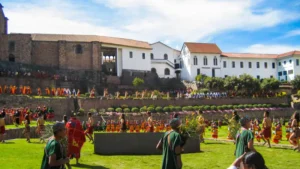
Why Inti Raymi in Cusco has become a strategic cultural event
The significance of Inti Raymi in Cusco extends well beyond symbolic heritage value. Local authorities, tourism operators, artisans, transportation services, and hospitality businesses increasingly treat the celebration as a cornerstone of the regional economy.
During the festival period, Cusco experiences one of its highest concentrations of domestic and international visitors. Hotel occupancy rises sharply, restaurants expand operational capacity, and transportation systems face significant pressure due to increased mobility between the Historic Center, Sacsayhuamán, and surrounding districts.
Several factors explain the sustained expansion of the celebration’s influence
- International demand for cultural tourism experiences
- Increased visibility through digital media and travel platforms
- Government investment in heritage promotion
- Growing interest in Indigenous traditions and Andean cosmology
- Expansion of luxury and experiential tourism markets in Peru
The festival also contributes to employment generation across sectors that are often overlooked in traditional tourism analysis. Temporary workers, costume makers, traditional musicians, translators, food vendors, event coordinators, and security personnel all become part of the operational structure surrounding the event.
The transformation of Cusco during the festival season
The impact of the celebration becomes especially visible in urban dynamics. Traffic circulation changes, pedestrian zones expand, and local commerce adapts to unusually high visitor density.
In the weeks leading up to the festival, public and private institutions coordinate logistical operations involving transportation management, crowd control, sanitation, emergency response systems, and preservation measures for archaeological spaces.
Public spaces operate differently during Inti Raymi in Cusco
The city’s Historic Center experiences temporary operational changes that affect residents and visitors alike. Access restrictions, rerouted traffic, and intensified security protocols become part of everyday life during the festival period.
This transformation reflects a broader challenge faced by heritage cities with global tourism appeal. Cusco must balance cultural accessibility with preservation responsibilities.
Several operational priorities dominate municipal planning
- Protection of archaeological and colonial infrastructure
- Management of large-scale pedestrian movement
- Reduction of environmental stress in historical areas
- Coordination between tourism operators and local authorities
- Preservation of ceremonial authenticity despite commercial pressure
The festival therefore functions as a large-scale urban management exercise as much as a cultural event.
The role of Sacsayhuamán in the modern festival experience
The archaeological complex of Sacsayhuamán remains the most iconic stage associated with Inti Raymi in Cusco. The site serves not only as a historical setting but also as a symbol of continuity between the Inca past and contemporary Peruvian identity.
The concentration of visitors at Sacsayhuamán has intensified discussions around sustainable tourism and site conservation. Specialists in heritage management increasingly emphasize the need to regulate visitor flows during major cultural events.
Several preservation concerns have gained attention
- Soil erosion caused by high foot traffic
- Structural stress on vulnerable archaeological zones
- Waste management challenges during large gatherings
- Informal commerce around protected areas
- Pressure on transportation infrastructure near the site
At the same time, the visibility of Sacsayhuamán during the festival contributes significantly to international awareness of Andean archaeological heritage.
Cultural staging and historical interpretation
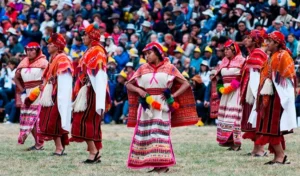
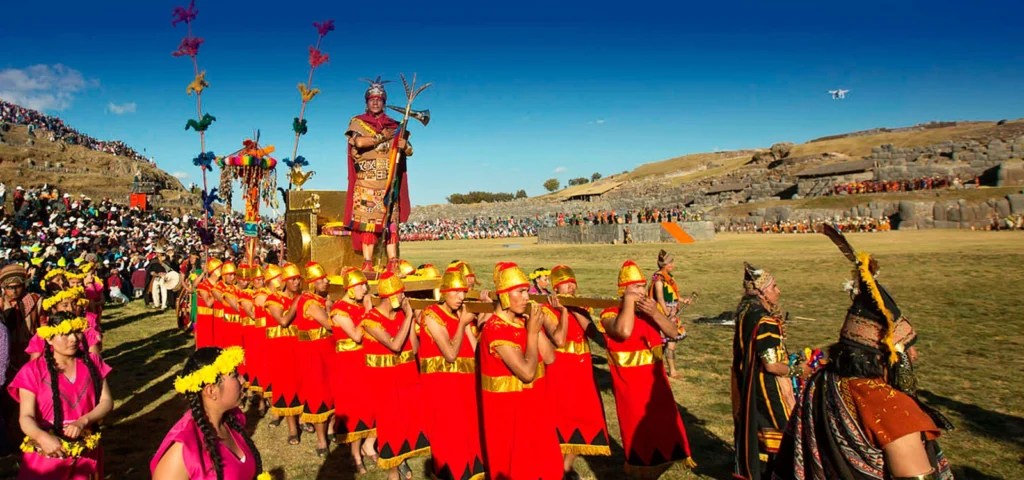
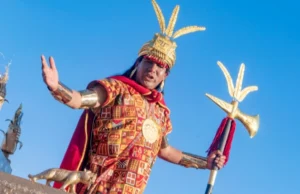
The performances presented during the celebration combine theatrical reconstruction with ceremonial symbolism. Actors representing the Sapa Inca, priests, warriors, and noble delegations recreate scenes inspired by historical chronicles and interpretations of Inca ritual traditions.
This raises ongoing debates among historians and anthropologists regarding authenticity, adaptation, and modern reinterpretation.
Rather than functioning as a strict historical replication, the current festival operates as a cultural narrative shaped by multiple influences
- Academic research on Inca ceremonies
- Twentieth-century nationalist cultural movements
- Tourism development strategies
- Indigenous identity movements
- Contemporary artistic production
The result is a hybrid cultural event that reflects both historical memory and modern institutional storytelling.
Tourism pressure and the changing visitor profile
The audience attending Inti Raymi in Cusco has changed considerably over recent years. The festival now attracts a more diversified international public that includes cultural travelers seeking immersive experiences rather than conventional tourism packages.
This shift has altered the services offered throughout Cusco. Hotels, travel agencies, and tour operators increasingly design itineraries focused on deeper cultural engagement.
Common visitor preferences now include
- Small-group heritage tours
- Quechua cultural workshops
- Gastronomic experiences connected to Andean traditions
- Community-based tourism in nearby rural areas
- Historical interpretation tours led by specialized guides
The evolution of traveler expectations has encouraged businesses to move beyond standardized tourism products. Many international travelers now organize their itineraries through a Peru travel agency specialized in cultural and experiential tourism, especially those looking to combine the festival with archaeological routes and high-altitude trekking experiences across the Sacred Valley.
Digital influence on travel behavior
Social media platforms have dramatically increased the global visibility of Inti Raymi in Cusco. Visual content featuring ceremonial costumes, processions, and panoramic scenes from Sacsayhuamán circulates widely across digital platforms, generating strong seasonal demand.
This exposure has both positive and negative consequences.
Positive effects include
- Greater international recognition of Andean culture
- Increased tourism revenue
- Broader opportunities for local entrepreneurs
- Expansion of cultural exchange initiatives
However, digital exposure also contributes to challenges
- Overtourism during peak dates
- Rising accommodation prices
- Commercialization of ceremonial aesthetics
- Pressure for visually optimized performances
- Growth of unauthorized tour operations
The relationship between digital tourism and cultural heritage management continues to shape planning decisions in Cusco. Short trekking experiences have also gained popularity among travelers attending the festival. Routes such as 2 Days Inca Trail appeal to visitors seeking a condensed archaeological and mountain experience without committing to longer expeditions before or after Inti Raymi celebrations.
Economic effects across local industries
The economic impact of Inti Raymi in Cusco reaches far beyond the tourism sector. Artisans, agricultural suppliers, textile producers, performers, transportation companies, and local markets all benefit from increased commercial activity.
Seasonal demand stimulates production in traditional industries connected to Andean craftsmanship.
Among the most affected sectors are
- Alpaca textile production
- Traditional costume manufacturing
- Regional gastronomy
- Handmade jewelry and silverwork
- Folk music performance groups
Restaurants also adapt menus and service models to accommodate both international visitors and domestic travelers arriving from other regions of Peru.
This economic activity generates substantial short-term income, though analysts continue to debate how equitably profits are distributed across communities.
Informal commerce and regulatory tensions
One of the recurring challenges surrounding the festival involves informal commercial activity. Street vendors, unauthorized guides, and temporary merchants occupy strategic public spaces during the event period.
Authorities attempt to regulate these activities through licensing systems and operational controls, yet enforcement remains complex due to the scale of the festival.
Key areas of tension include
- Competition between formal and informal vendors
- Public space occupation
- Waste management responsibilities
- Consumer safety standards
- Tourism quality control
The issue reflects broader economic realities in many heritage tourism destinations where informal labor remains deeply integrated into local economies.
You might be interested in: Tips for Travellers: Smart Travel Guide
Inti Raymi in Cusco and Indigenous cultural visibility
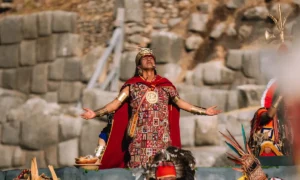
The modern celebration has become increasingly important in discussions surrounding Indigenous representation in Peru. Quechua language visibility, traditional music, ceremonial clothing, and Andean symbolism receive significant public attention during the festival season.
For many participants and observers, the event serves as a platform for reaffirming Indigenous cultural continuity rather than merely commemorating the past.
This visibility has encouraged broader cultural initiatives throughout the region
- Expansion of bilingual cultural programs
- Increased academic interest in Andean studies
- Support for traditional artistic practices
- Greater representation of Indigenous themes in tourism marketing
- Growth of intercultural education projects
At the same time, debates continue regarding who controls the narrative surrounding the festival and how Indigenous communities participate in decision-making processes.
The role of Quechua language in the ceremony
Quechua remains central to many ceremonial components of Inti Raymi in Cusco. Speeches, ritual expressions, and symbolic dialogues often incorporate the language as part of the event’s cultural identity.
This linguistic presence carries symbolic and political importance in a country where Indigenous languages historically experienced marginalization.
The visibility of Quechua during the celebration contributes to
- Public normalization of Indigenous language use
- Cultural education for international visitors
- Renewed interest among younger generations
- Increased demand for intercultural interpretation services
Media production and international projection
Global media coverage has expanded the reach of Inti Raymi in Cusco far beyond Peru. Television crews, documentary filmmakers, travel journalists, and digital creators now integrate the festival into broader narratives about heritage tourism and Indigenous culture.
The visual power of the event makes it especially attractive for international broadcasting.
Several elements contribute to its media appeal
- Large-scale ceremonial choreography
- Historical costumes and visual symbolism
- Archaeological backdrops
- Mountain landscapes surrounding Cusco
- Strong connections to Inca history
Media exposure strengthens Cusco’s position within international tourism markets, though it also influences how the festival is staged and consumed.
Documentary tourism and experiential storytelling
An emerging trend involves travelers seeking documentary-style experiences connected to the festival. Visitors increasingly prioritize educational interpretation, local storytelling, and cultural context rather than passive observation.
Tour operators have responded by offering
- Anthropological walking tours
- Historical seminars before the event
- Photography-focused itineraries
- Encounters with local artisans
- Community storytelling experiences
This trend reflects broader changes in global tourism behavior where travelers seek narrative depth and cultural understanding.
Environmental pressures linked to large-scale celebrations
As visitor numbers continue growing, environmental sustainability has become one of the most significant concerns surrounding Inti Raymi in Cusco.
The concentration of thousands of attendees within archaeological and urban heritage zones creates substantial ecological pressure.
Among the primary environmental concerns are
- Waste accumulation in public spaces
- Increased vehicle emissions
- Water consumption during peak tourism periods
- Damage to natural vegetation near archaeological sites
- Noise pollution affecting residential areas
Environmental management strategies now form part of broader festival planning efforts.
Sustainability initiatives gaining importance
Authorities and private organizations have introduced several measures aimed at reducing environmental impact.
Current sustainability efforts include
- Expanded recycling campaigns
- Restrictions on single-use plastics
- Promotion of pedestrian mobility
- Controlled access systems at key sites
- Environmental awareness campaigns for visitors
Security and operational coordination behind the event
The scale of Inti Raymi in Cusco requires extensive coordination among public agencies, tourism operators, medical teams, and emergency response units.
Security planning involves multiple operational dimensions
- Crowd management systems
- Medical response coordination
- Transportation logistics
- Surveillance operations
- Emergency evacuation protocols
Technology in festival management
Digital tools now play an increasingly important role in operational planning.
Authorities and businesses rely on
- Real-time visitor monitoring
- Digital ticketing systems
- Online accommodation management
- GPS-supported transportation coordination
- Social media communication during high-density events
The evolving identity of cultural tourism in Cusco
Inti Raymi reflects broader transformations in how cultural tourism is understood globally. Travelers increasingly value authenticity, historical continuity, and direct engagement with local traditions.
This evolution has encouraged tourism stakeholders to rethink how heritage experiences are presented.
Several emerging tendencies are shaping the future of the festival’s tourism ecosystem
- Demand for lower-impact travel models
- Interest in Indigenous-led cultural experiences
- Expansion of educational tourism
- Preference for longer stays focused on regional exploration
- Increased concern for ethical tourism practices
These changes may gradually reshape how the festival is organized and promoted internationally. The growing demand for immersive cultural travel has also increased interest in multi-day trekking routes connected to Cusco’s ceremonial calendar. Packages such as classic Inca Trail 4 Days to Machu Picchu are frequently combined with Inti Raymi itineraries by international visitors looking for a broader understanding of Inca history and Andean geography.
Balancing preservation and commercialization
One of the most persistent debates surrounding Inti Raymi concerns the balance between cultural preservation and economic exploitation.
Critics argue that excessive commercialization risks reducing complex cultural traditions into simplified tourist spectacles. Supporters counter that tourism revenue helps sustain heritage conservation and local economic development.
The tension between these perspectives continues influencing decisions related to
- Ticketing systems
- Sponsorship visibility
- Commercial branding
- Performance structure
- Access to ceremonial spaces
Rather than a fixed cultural artifact, the festival remains a dynamic event constantly negotiated between historical memory, economic realities, and contemporary identity.
You might be interested in: Cusco Bars: Nightlife Guide & Tips
How Inti Raymi in Cusco continues shaping the region
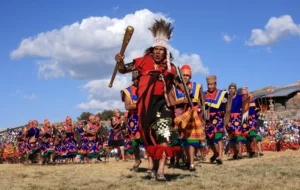
The long-term significance of Inti Raymi in Cusco lies in its ability to influence multiple dimensions of regional life simultaneously. The festival affects tourism planning, urban operations, cultural policy, international branding, and Indigenous visibility in ways that extend well beyond a single day of celebration.
Its continued expansion reflects global demand for meaningful cultural experiences while also exposing the challenges faced by heritage destinations managing rapid tourism growth.
For Cusco, the festival represents far more than a symbolic remembrance of the Inca Empire. It functions as an economic driver, a cultural platform, a logistical challenge, and an international showcase of Andean identity. As tourism models continue evolving and sustainability concerns become more urgent, the future of the celebration will likely depend on how effectively the region balances cultural integrity, community participation, environmental protection, and global visibility.