
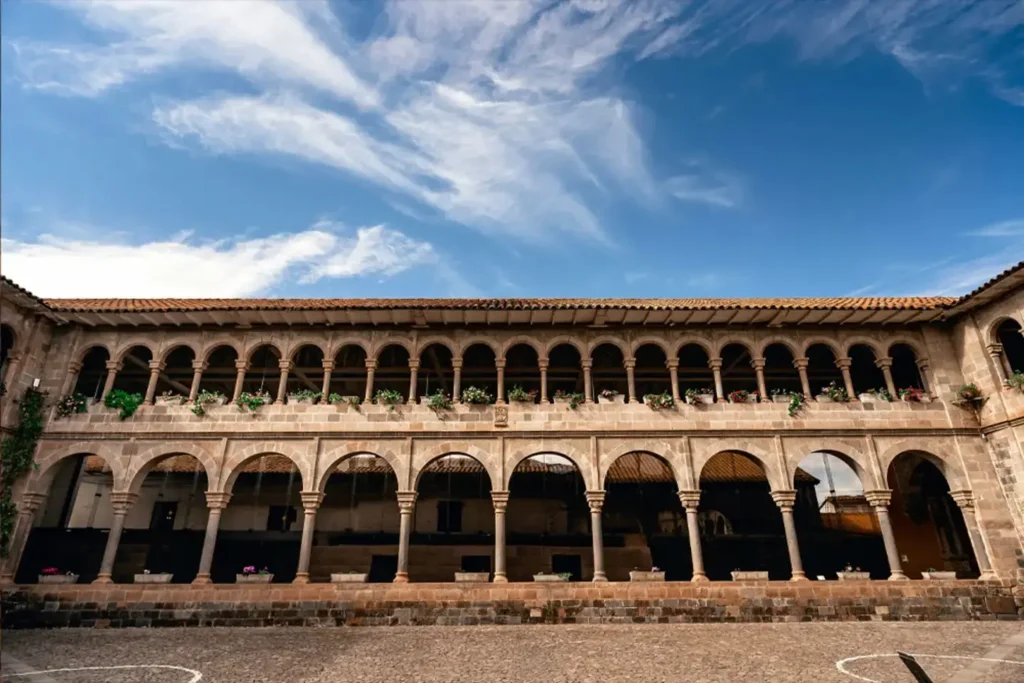
Cusco is often recognized for its impressive archaeological sites and its connection to the Inca civilization, but beyond its stone streets and ancient temples lies another fascinating side of the city: its museums. Exploring the museums in Cusco, Peru is one of the best ways to understand the layers of history that shaped the region, from pre-Inca cultures and the rise of the Inca Empire to colonial influence and modern artistic expression.
Many travelers arrive in Cusco with the goal of visiting Machu Picchu or exploring nearby archaeological attractions, yet museums offer a deeper perspective that complements every experience. They preserve stories, artifacts, textiles, paintings, and traditions that reveal the cultural richness of the Andes. Whether you are passionate about archaeology, art, religion, or local traditions, the city’s museums create an experience that goes far beyond traditional sightseeing.
Museum visits can also become an excellent introduction before exploring archaeological sites, historical landmarks, and the surrounding areas, helping travelers gain a deeper understanding of the region’s cultural and historical legacy.
Why Visit Museums in Cusco, Peru?
Visiting the museums in Cusco, Peru allows travelers to experience the city from a deeper cultural and historical perspective. While archaeological sites reveal the architectural achievements of ancient civilizations, museums help explain the stories, traditions, and historical processes that shaped the region over centuries. They provide context that transforms a simple visit into a richer and more meaningful experience.
If you are planning your trip, you can explore curated cultural routes and experiences with Cusco Tours, which helps you combine museum visits with guided historical insights across the city.
Overall, the museums in Cusco, Peru are not just complementary attractions—they are key to understanding the full story of Cusco, connecting what you see in ruins and streets with the human narratives behind them.
Some reasons why travelers include museums in their itinerary are:
- Understanding Inca civilization and Andean cultures through original artifacts and historical exhibits that explain social organization, beliefs, and traditions.
- Learning about colonial influence in Cusco by exploring religious art, architecture, and the transformation of the city after the Spanish arrival.
- Discovering traditional textiles and artistic heritage that continue to preserve ancient techniques and cultural symbolism.
- Viewing archaeological findings and historical collections that provide valuable insights into life during different historical periods.
- Exploring local customs and spiritual traditions reflected in religious objects, ceremonies, and community practices.
- Experiencing cultural preservation efforts that help protect and share the identity of the region with future generations.
Beyond their educational value, museums create a stronger connection with the destination, allowing visitors to appreciate not only what they see in Cusco but also the stories and people behind its remarkable history.
You might be interested in: 20 National Animals of Peru
15 Museums in Cusco, Peru That Bring History to Life
Cusco offers much more than archaeological sites and historic streets. The city is also home to the museums in Cusco, Peru, which preserve centuries of history, art, traditions, and cultural heritage. Each space tells a different story, allowing visitors to discover the evolution of the region from ancient civilizations to colonial times and contemporary expressions.
The following museums in Cusco, Peru showcase some of the most valuable collections in the city and provide a deeper understanding of the cultural legacy that continues to shape Cusco today.
1. Inka Museum
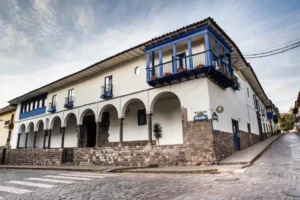
The Inka Museum is one of the most important museums in Cusco, Peru for travelers who want to understand the origins, development, and legacy of the Inca civilization. It is located on Cuesta del Almirante Street, just a few steps from Plaza de Armas in Cusco’s historic center, making it very easy to include in any walking route through the city. The museum is housed inside the Casa del Almirante, a colonial mansion that itself adds architectural and historical value to the visit.
Its collections provide a detailed look at the daily life, social organization, religious beliefs, and technological achievements of the Incas and other Andean cultures. Visitors can explore a wide variety of exhibits that explain how these civilizations developed and how their traditions continue to influence the region today.
Highlights of the Inka Museum:
- Inca pottery collections and decorative ceramics
- Traditional Andean textiles and weaving techniques
- Archaeological findings and preserved artifacts
- Exhibits explaining social structure and daily life
- Ceremonial objects and religious elements
- Colonial courtyard architecture and historic interiors
One of the greatest advantages of visiting the Inka Museum is that it provides historical context before exploring archaeological attractions throughout the region. For many travelers, it becomes an ideal first stop to better understand the cultural legacy and historical significance of Cusco.
2. Museo Histórico Regional
The Museo Histórico Regional, also known as the Regional Historical Museum of Cusco, is another key stop within the museums in Cusco, Peru for travelers who want to understand how the city evolved through different historical stages. It is located on Calle Garcilaso, very close to Plaza Regocijo and just a short walk from Plaza de Armas, inside the historic house where the chronicler Inca Garcilaso de la Vega was born.
Inside the museum, the galleries are organized in a way that guides visitors through different historical eras, making it easier to follow the transformation of the region over time. Among the museums in Cusco, Peru, this one stands out for its ability to connect archaeological findings with colonial history in a single narrative space.
What You Can Find at the Museo Histórico Regional
• Archaeological collections from pre-Hispanic civilizations
• Colonial exhibits and historical displays
• Historical manuscripts and preserved documents
• Regional interpretations of social and cultural changes
• Objects related to local traditions and history
• Exhibits connected to Inca Garcilaso de la Vega
One of the most interesting aspects of this museum is its ability to bring together different historical periods in one place, helping visitors gain a deeper understanding of Cusco’s cultural evolution and historical legacy.
3. Museum of Pre-Columbian Art (MAP)
The Museum of Pre-Columbian Art (MAP) is one of the most visually striking spaces within the museums in Cusco, Peru, especially for visitors interested in art, symbolism, and ancient craftsmanship. It is located on Plazoleta Nazarenas, just a short walk from Plaza de Armas, inside a beautifully restored colonial building that blends historical architecture with modern museography.
Among the museums in Cusco, Peru, MAP stands out for its modern presentation style, where each artifact is carefully displayed with lighting and spacing that allows visitors to appreciate its details and cultural meaning. This approach creates a more intimate and engaging experience, making it one of the most memorable cultural stops in the city.
Main Collections
• Ceramics from ancient Peruvian cultures
• Jewelry and ornamental pieces
• Gold and metal artifacts
• Stone and wooden sculptures
• Ritual objects and ceremonial pieces
• Decorative artworks from pre-Columbian civilizations
One of the most remarkable aspects of the museum is the way each gallery has been designed. The careful presentation, modern lighting, and elegant atmosphere make every room feel immersive while highlighting the artistic richness of ancient Peru.
4. Santa Catalina Museum
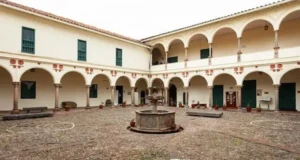
The Santa Catalina Museum is another remarkable stop within the museums in Cusco, Peru, located inside the historic Santa Catalina Convent on Calle Santa Catalina Angosta, just a few steps from Plaza de Armas in the city center. This cultural space offers a unique combination of religious heritage, colonial art, and preserved architecture, making it an immersive experience for visitors interested in Cusco’s spiritual and artistic past.
What makes this museum especially distinctive is the building itself. The convent maintains its original colonial structure, allowing visitors to experience authentic architectural elements that have been preserved over time. Among the museums in Cusco, Peru, it stands out for offering not only exhibits but also an atmospheric journey into the past.
Notable Features
• Colonial paintings and artistic collections
• Religious artifacts and sacred objects
• Preserved convent architecture
• Historic courtyards and interior spaces
• Colonial decorative elements
• Chapels and spiritual heritage areas
Visitors interested in colonial history and religious heritage often consider the Santa Catalina Museum one of the most unique places to explore while discovering the cultural legacy of Cusco.
5. Machu Picchu Museum Casa Concha
The Machu Picchu Museum Casa Concha is one of the most important museums for travelers interested in learning more about the history and archaeological significance of Machu Picchu. The museum is located on Calle Santa Catalina Ancha, near Plaza de Armas in Cusco, inside the restored colonial mansion known as Casa Concha.
This museum houses a valuable collection of artifacts recovered during archaeological investigations conducted at Machu Picchu. The exhibits provide deeper insight into the daily life, social organization, and activities that took place within the citadel, helping visitors understand the importance of one of the world’s most iconic archaeological sites.
Many travelers planning a Machu Picchu 1 Day Tour choose to visit this museum beforehand to gain historical context and better appreciate the archaeological value of the citadel during their trip.
Museum Sections
• Archaeological collections recovered from Machu Picchu
• Ceramics and everyday objects used by ancient inhabitants
• Human remains and anthropological findings
• Stone tools and ceremonial elements
• Research and excavation information
• Preservation and restoration exhibits
The museum offers a deeper perspective on Machu Picchu, making it an excellent stop for visitors who want to complement their travel experience with historical knowledge and archaeological context.
You might be interested in:Highest Mountains in Peru Guide 2026
6. Museum of Contemporary Art
History in Cusco does not end with the Inca civilization or the colonial period. The Museum of Contemporary Art is one of the most dynamic museums in Cusco, Peru, offering a modern perspective on culture, identity, and artistic expression. It is located inside the Municipal Palace of Cusco, near Plaza Regocijo and just a short walk from Plaza de Armas, making it an easy stop within the historic center.
Unlike other museums in Cusco, Peru, this space is constantly changing, as exhibitions are updated regularly. This means that each visit can offer a new experience, with different artistic styles, techniques, and interpretations depending on the current showcase.
Exhibitions Often Include
• Paintings and visual arts collections
• Contemporary installations
• Photography exhibitions
• Cultural and social interpretations
• Temporary art displays
• Works by regional artists
Among the cultural attractions in Cusco, this museum stands out for offering a bridge between the city’s past and present through artistic expression.
7. Qorikancha Site Museum
The Qorikancha Site Museum is one of the most important museums in Cusco, Peru, as it directly complements the experience of visiting the nearby Qorikancha Temple and the Convent of Santo Domingo. It is located on Avenida El Sol, right next to the archaeological complex, making it an essential stop for anyone exploring this sacred Inca site.
Among the museums in Cusco, Peru, the Qorikancha Site Museum stands out for its close connection to an active archaeological site. It preserves and interprets findings from the area, allowing visitors to connect what they see in the ruins with the deeper historical and cultural narratives behind them.
Exhibits Explore Topics Such As
• Inca astronomy and observations of celestial movements
• Religious ceremonies and sacred practices
• Agricultural systems and land management
• Construction techniques and engineering methods
• Archaeological findings from the area
• Cultural interpretations of the site
Visiting the museum before or after exploring Qorikancha allows travelers to gain a deeper appreciation of the cultural and spiritual significance of one of the most important centers of the Inca civilization.
8. Archbishop’s Palace Museum
The Archbishop’s Palace Museum is one of the most elegant museums in Cusco, Peru, combining colonial architecture, religious heritage, and deep historical layers in a single cultural space. It is located on Calle Hatunrumiyoc, just a few minutes from Plaza de Armas, within a historic building constructed over the foundations of an ancient Inca structure traditionally linked to Inca Roca.
One of the most remarkable highlights of this site is its iconic Inca stone wall, where visitors can observe the famous Twelve-Angled Stone, a masterpiece of Inca engineering and precision stonework. This element alone makes the museum an essential stop within the museums in Cusco, Peru, especially for those interested in the intersection of Inca and colonial history.
Reasons to Visit the Archbishop’s Palace Museum
• Historic colonial architecture
• Religious artworks and collections
• Preserved colonial interiors
• Cultural and symbolic heritage
• Inca stone foundations and masonry
• Access to the famous Twelve-Angled Stone
The site remains one of the most refined cultural attractions for travelers interested in architecture and colonial history.
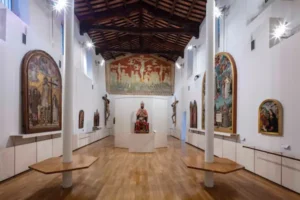
9. Museum of Sacred Art
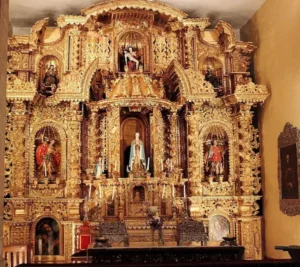
The Museum of Sacred Art is an important stop within the museums in Cusco, Peru, especially for visitors interested in religious history, colonial art, and the cultural transformation of the Andes after the Spanish arrival. It is located inside the historic Archbishop’s Palace on Calle Hatunrumiyoc, just a few minutes from Plaza de Armas, making it an easy addition to any walking route through Cusco’s historic center.
This museum is dedicated to preserving and showcasing religious heritage through a rich collection of paintings, sculptures, ceremonial objects, and decorative artworks from the colonial period. Its exhibits highlight the strong influence of European artistic traditions while also revealing how local Andean culture adapted and reinterpreted these styles over time.
Collections Include
• Religious paintings from colonial schools
• Sculptures and sacred artworks
• Ceremonial objects and religious elements
• Colonial decorative pieces
• Liturgical collections
• Artistic expressions influenced by Andean traditions
The Museum of Sacred Art offers a deeper understanding of the religious and cultural heritage that helped shape Cusco during the colonial period.
You might be interested in:Cusco Bars: Nightlife Guide & Tips
10. ChocoMuseo Cusco
ChocoMuseo Cusco is a different but very popular stop within the museums in Cusco, Peru, offering a more interactive and sensory experience focused on cacao and chocolate production. It is located on Calle Garcilaso, near Plaza Regocijo and just a short walk from Plaza de Armas, making it an easy addition to any cultural route through the historic center.
What makes ChocoMuseo stand out among the museums in Cusco, Peru is its interactive approach. Instead of only observing exhibits, visitors can actively participate in workshops and learn the chocolate-making process step by step, from raw cacao beans to finished products.
Visitors Can Discover
• The history and origin of cacao in Peru
• Traditional chocolate production methods
• The cultural importance of cacao
• Interactive workshops and experiences
• Chocolate tasting sessions
• Information about regional cacao varieties
ChocoMuseo offers a lighter and more interactive cultural experience, adding variety to any itinerary while exploring the city’s museums.
11. Textile Museum of Traditional Andean Weaving
The Textile Museum of Traditional Andean Weaving is one of the most culturally significant museums in Cusco, Peru, dedicated to preserving ancestral textile traditions that remain alive in Andean communities today. It is located on Avenida El Sol, near the Qorikancha complex, making it easy to visit while exploring the city center.
Inside the Textile Museum, visitors also learn about the complete production process, including fiber preparation, natural dye techniques, and traditional weaving methods still used by local artisans. Among the museums in Cusco, Peru, it stands out for connecting cultural history with living traditions.
Visitors Learn About
• Natural dyes extracted from plants and minerals
• Traditional weaving methods and techniques
• Textile symbolism and cultural meanings
• Community traditions and craftsmanship
• Ancient patterns and decorative designs
• The role of textiles in Andean identity
For travelers interested in local traditions and cultural heritage, this museum becomes an essential stop for understanding one of the most valuable artistic expressions of the Andes.
12. Casa Garcilaso Museum
The Casa Garcilaso Museum is one of the most historically meaningful museums in Cusco, Peru, dedicated to preserving the life and legacy of Inca Garcilaso de la Vega, one of the most important chroniclers of Peruvian history. It is located on Calle Garcilaso, near Plaza Regocijo and just a few minutes from Plaza de Armas, inside the very house where Garcilaso was born.
Inside the museum, visitors can explore exhibitions that focus on his life, literary work, and the historical context in which he lived. Among the museums in Cusco, Peru, this one stands out for its strong connection to written history and its role in shaping how the Inca world is understood today.
Exhibitions Include
• Historical manuscripts and documents
• Literary works related to Inca history
• Biographical information about Garcilaso
• Historical narratives and cultural interpretations
• Colonial period exhibits
• Collections related to his legacy and influence
Among the cultural attractions in Cusco, this museum stands out for its literary and historical value, offering visitors a different perspective on the preservation of Andean history.
You might be interested in:Highest Mountains in Peru Guide 2026
13. Monument to Pachacutec Museum
The Monument to Pachacutec Museum is one of the most iconic museums in Cusco, Peru, dedicated to Emperor Pachacutec, the ruler who transformed the Inca Kingdom into one of the most powerful empires in South America. It is located at the Pachacutec Oval on Avenida El Sol, near the entrance to Cusco’s historic center.
Inside, the museum presents exhibits that highlight Pachacutec’s leadership, military expansion, and key achievements that shaped the growth of the Inca Empire. Among the museums in Cusco, Peru, this one stands out for focusing on political history and imperial development rather than only cultural artifacts
Exhibits Explore Topics Such As
• Expansion of the Inca Empire
• Architecture and engineering achievements
• Leadership and political organization
• Urban planning and city development
• Historical interpretations of Pachacutec’s rule
• Cultural legacy and influence on Cusco
The museum offers a valuable opportunity to better understand the figure behind many of the transformations that shaped the Inca Empire and the city of Cusco.
14. Museum of Popular Art
The Museum of Popular Art is one of the most culturally expressive museums in Cusco, Peru, dedicated to showcasing the creativity, traditions, and living artistic identity of Andean communities. It is located near Avenida El Sol, close to the historic center, making it an accessible stop while exploring the city.
Inside, the museum displays a wide variety of handcrafted works created by local artisans, including textiles, ceramics, carvings, and decorative pieces. Among the museums in Cusco, Peru, it stands out for emphasizing living cultural heritage rather than only historical artifacts.
Collections Feature
• Traditional masks used in festivals and celebrations
• Handcrafted ceramics and decorative pieces
• Miniatures and folk art representations
• Cultural interpretations of local festivities
• Traditional sculptures and artistic works
• Crafts inspired by Andean customs and beliefs
The Museum of Popular Art highlights the living traditions that continue to define the cultural identity of Cusco and its surrounding communities.
15. Religious Art Museum
The Religious Art Museum is one of the most significant museums in Cusco, Peru, especially for visitors interested in colonial art, religious symbolism, and the spiritual heritage of the city. It is located on Calle Hatunrumiyoc, inside the historic Archbishop’s Palace, just a few steps from Plaza de Armas in the heart of Cusco’s historic center.
Inside the museum, visitors can explore carefully preserved interiors, ornate decorative details, and historical spaces that highlight the cultural blending that defined Cusco during the colonial era. Among the museums in Cusco, Peru, it stands out for its focus on sacred art and its deep connection to the city’s religious history.
Visitors Can Explore
• Colonial paintings and artistic collections
• Religious sculptures and sacred objects
• Decorative works from the colonial period
• Historic interiors and architectural details
• Artistic expressions influenced by local traditions
• Preserved religious heritage spaces
History lovers often appreciate the artistic details and cultural symbolism preserved throughout the museum, making it an excellent stop for understanding Cusco’s colonial legacy.
You might be interested in:Tips for Travellers: Smart Travel Guide
How to Include Museums in Your Cusco Itinerary
Exploring the museums in Cusco, Peru becomes even more rewarding when combined strategically with nearby attractions. Organizing visits by location and theme allows travelers to better understand the city’s historical evolution while enjoying a more relaxed and meaningful travel experience.
Museum visits also work as an excellent introduction before exploring archaeological sites and cultural landscapes. Travelers who later continue with experiences such as a Sacred Valley tour often gain a stronger understanding of Inca history, traditions, and regional heritage, which enhances the overall journey.
Day 1 – Historic Center and Colonial Heritage
The first day can focus on museums located within Cusco’s historic center, where colonial architecture, religious art, and archaeological collections are concentrated. This allows visitors to explore key cultural spaces while walking through traditional streets filled with history.
Morning
• Inka Museum
• Museum of Pre-Columbian Art (MAP)
Afternoon
• Religious Art Museum
• Santa Catalina Museum
This itinerary combines archaeological heritage with colonial and artistic influences, offering a well-rounded introduction to Cusco’s cultural identity.
Day 2 – Archaeology and Inca Legacy
The second day focuses on the historical and archaeological importance of the Inca civilization. These museums help visitors understand how the empire developed its social systems, engineering techniques, religious beliefs, and urban planning strategies.
Morning
• Qorikancha Site Museum
• Machu Picchu Museum Casa Concha
Afternoon
• Museo Histórico Regional
This route provides valuable context before visiting major archaeological sites across the region, making it ideal for history-focused travelers.
Day 3 – Traditions, Art, and Local Identity
The final day highlights living traditions and artistic expressions that continue to preserve Cusco’s cultural identity today. This stage of the itinerary connects historical heritage with modern creativity and community practices.
Morning
• Textile Museum of Traditional Andean Weaving
Afternoon
• Museum of Popular Art
• Museum of Contemporary Art
This combination allows visitors to explore craftsmanship, folklore, and contemporary artistic perspectives, completing a full cultural journey through museums in Cusco, Peru.
You might be interested in:Peru in June: Weather & Travel Tips
Tips for Visiting Museums in Cusco, Peru
Visiting the museums in Cusco, Peru is a great way to go beyond the typical tourist circuit and truly understand the city’s historical and cultural depth. From Inca heritage to colonial art and contemporary interpretations of Andean life, each museum adds a different layer to your experience in Cusco. To enjoy them properly, it helps to plan your visit with a bit more detail.
Planning Tips
Before starting your tour of the museums in Cusco, Peru, it is recommended to carry cash since smaller museums may not accept card payments. This helps you avoid inconveniences at the entrance. It is also a good idea to begin your visits early in the day, when crowds are smaller and the experience feels more relaxed. Ideally, set aside at least one to two hours per museum so you can explore the exhibitions without rushing. Don’t forget to bring water with you, especially considering Cusco’s altitude, and wear comfortable shoes since many museums are located within walking distance in the historic center.
- Bring cash in small denominations, as some museums may not accept cards or may have limited payment systems
- Start your museum route early in the morning to avoid tour groups and peak-hour congestion
- Plan at least 1–2 hours per museum, especially for larger collections like art or archaeological exhibitions
- Keep water with you and stay hydrated, as Cusco’s altitude can make walking between museums more tiring than expected
- Wear comfortable shoes since cobblestone streets and small uphill sections are common around the museums in Cusco, Peru
- Check opening days in advance, as some museums close on specific weekdays or holidays
Photography Tips
When exploring the museums in Cusco, Peru, always check the photography rules at the entrance, as each museum may have different restrictions. Flash photography is generally discouraged because it can damage fragile artifacts and historical pieces. It is also important to follow all preservation guidelines posted inside the exhibits to help protect the cultural heritage displayed in each space.
- Always confirm the photography policy at the entrance, as it differs between museums
- Avoid flash photography since it can damage textiles, paintings, and ancient artifacts
- Be respectful with your phone or camera use in quiet exhibition spaces
- Follow all restricted signage, especially in rooms with fragile or sacred objects
- Focus on enjoying the exhibits first before prioritizing photos, as many details are best appreciated in person
Cultural Tips
One of the best ways to appreciate the museums in Cusco, Peru is by taking your time with each exhibit. Reading the descriptions carefully can give you a much deeper understanding of the history behind the objects on display. If possible, consider joining a local guide who can provide context and stories that are not always written on the panels. Moving slowly through each section allows you to fully absorb the cultural richness that these museums preserve.
- Take time to read the information panels instead of just walking through the exhibits
- Consider hiring a local guide or joining a guided tour for richer historical context and stories behind the collections
- Observe small details in textiles, ceramics, and artwork, as they often reflect cultural beliefs and traditions
- Visit without rushing so you can connect better with the narrative of each museum
- Try to link what you see inside the museums with nearby archaeological sites for a more complete understanding of Cusco’s history
The museums in Cusco, Peru are not just places to see objects, but spaces where the city’s identity is preserved and explained. Taking the time to explore them properly gives you a much deeper appreciation of Cusco’s cultural richness and historical importance.
You might be interested in:Is Peru Safe to Travel? A 2026 Safety Guide for visitors
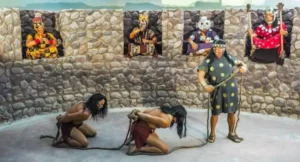
Best Time to Visit Museums in Cusco
Museums in Cusco can be visited throughout the year, but choosing the right season and time of day can make the experience much more comfortable and enriching. The museums in Cusco, Peru tend to be less crowded in certain months and hours, allowing for a more relaxed visit and better interaction with exhibits.
Recommended periods:
- The dry season (May to September) is the most popular time to visit Cusco, with clearer skies and higher tourist activity, so museums can feel busier but are ideal for combining with outdoor sightseeing
- The shoulder months (April and October) offer a great balance of fewer crowds and pleasant weather, making museum visits more relaxed
- The rainy season (November to March) is less crowded, so it is actually a good time to explore the museums in Cusco, Peru at a slower pace, especially on rainy afternoons
- Mornings are generally the best time of day, as museums are quieter and you can move through exhibitions without rush
- Weekdays tend to be calmer than weekends, when both tourists and locals increase foot traffic
Hidden Value of Museums in Cusco, Peru
Many travelers come to Cusco focused mainly on Machu Picchu and archaeological sites, but the museums in Cusco, Peru hold a different kind of value that often goes unnoticed. They preserve stories, objects, and knowledge that cannot be fully understood just by visiting ruins or walking through the city.
Inside the museums in Cusco, Peru, travelers can discover:
- Original artifacts that reveal how ancient civilizations actually lived and interacted with their environment
- Evidence of cultural evolution, showing how Inca traditions transformed during and after the colonial period
- Insights into daily life traditions, including clothing, tools, agriculture, and domestic practices
- Artistic movements reflected in paintings, sculptures, and textiles from different historical periods
- Historical transformations that explain how Cusco became one of the most important cultural centers in South America
Beyond objects and displays, the museums in Cusco, Peru help turn monuments into narratives. Instead of just seeing ruins or historical buildings, visitors begin to understand the human stories behind them. They reveal how people lived, worked, worshipped, and built one of the most influential civilizations in South America, giving deeper meaning to everything seen across the city.
You might be interested in:Inti Raymi in Cusco: Best Festival Guide
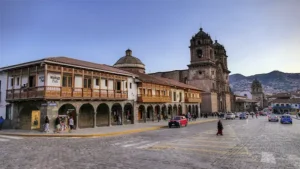
Final thoughts on exploring museums in Cusco
Exploring the museums in Cusco, Peru transforms the way visitors experience the city. Beyond archaeological landmarks and scenic views, museums provide the context that brings history to life. Every collection, artifact, textile, and painting adds another layer to understanding Cusco’s identity and cultural legacy.
What makes these museums special is their diversity. Some focus on ancient civilizations, while others preserve art, traditions, literature, and local customs. Together, they create a broader picture of the region and allow travelers to connect more deeply with the destination.
For history lovers visiting Cusco in 2026, including museums in the itinerary is more than an optional activity; it becomes an essential part of discovering the city’s heritage and understanding why Cusco continues to captivate travelers from around the world.