
Traveling to Cusco is an unforgettable experience. From its impressive Inca heritage to its vibrant streets, colorful markets, and breathtaking mountain landscapes, the city welcomes millions of travelers every year. However, there is one challenge that surprises many visitors during their first days: altitude sickness in Cusco.
At more than 3,300 meters (10,900 feet) above sea level, Cusco’s elevation is significantly higher than that of most cities around the world. Even healthy travelers who are physically fit can experience symptoms after arriving. Feeling tired, developing a headache, or becoming short of breath while walking uphill are common experiences during the first 24 to 48 hours.
This guide explains the best remedies, preventive measures, and expert tips to help you reduce the effects of altitude sickness. Whether you’re planning to visit Machu Picchu, explore the Sacred Valley, or hike through the Andes, these recommendations will help you feel more comfortable and make the most of your adventure.
Understanding Altitude Sickness in Cusco
Before discussing remedies, it’s important to understand why altitude sickness in Cusco occurs.
The condition, medically known as Acute Mountain Sickness (AMS), develops because the air contains less available oxygen at high elevations. Although the percentage of oxygen in the atmosphere remains the same, the lower atmospheric pressure means your body receives less oxygen with every breath.
When you arrive in Cusco, your body immediately begins adapting to these new conditions. During this process, your breathing rate increases, your heart works harder, and your body gradually produces more red blood cells to transport oxygen efficiently. This natural adjustment is called acclimatization.
Some people adapt within a few hours, while others may need several days. Age, physical fitness, and previous travel experience do not necessarily determine who will experience altitude sickness. Even experienced hikers and athletes may develop symptoms if they ascend too quickly.
The important thing to remember is that the condition is common and usually mild. With proper preparation and the right habits, most travelers continue their vacation without significant problems.
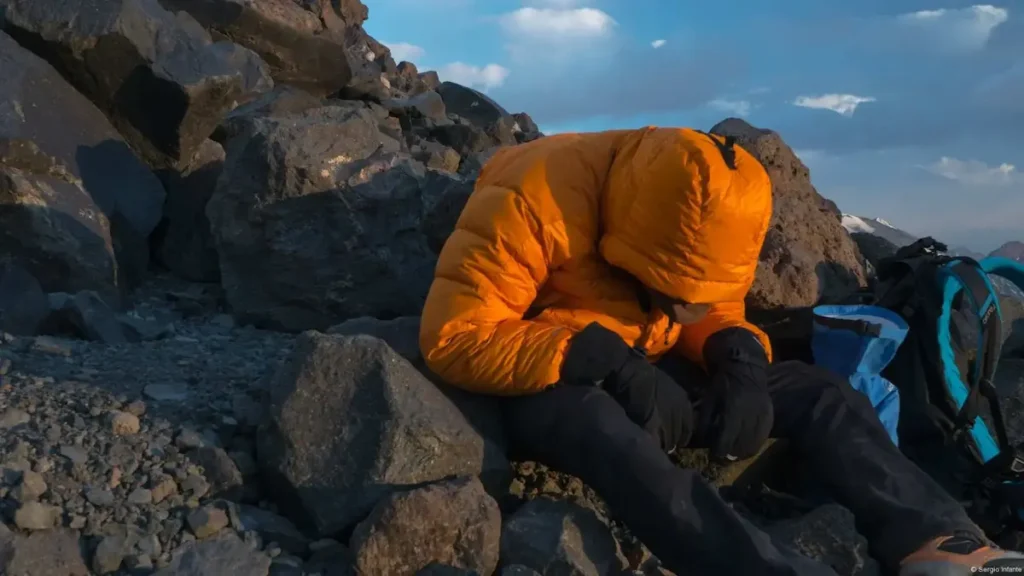
Common Symptoms of Altitude Sickness in Cusco
Recognizing the symptoms early allows you to take action before they become more uncomfortable.
The most common signs include:
- Headache
- Fatigue or unusual tiredness
- Dizziness
- Shortness of breath during light activity
- Difficulty sleeping
- Loss of appetite
- Mild nausea
- Increased heart rate
These symptoms usually appear between six and twenty-four hours after arriving in Cusco.
Many travelers mistake these signs for simple travel fatigue or jet lag. However, if you have recently arrived from a lower elevation, there is a good chance they are related to altitude sickness in Cusco.
Fortunately, mild symptoms generally improve after one or two days as your body adjusts naturally.
Who Is More Likely to Experience Altitude Sickness?
One of the biggest myths about altitude sickness in Cusco is that only older travelers or people in poor physical condition are affected.
In reality, anyone can experience altitude sickness regardless of:
- Age
- Fitness level
- Gender
- Previous hiking experience
However, several factors may increase your chances:
Rapid Ascent
Flying directly into Cusco from sea level gives your body almost no time to adjust. This is one of the leading causes of altitude sickness in Cusco.
Previous History of Altitude Sickness
If you’ve experienced altitude sickness before during trips to high elevations, you may be more likely to develop it again.
Overexertion
Many visitors are excited to explore the city immediately after landing. Walking long distances, climbing steep streets, or carrying heavy luggage can intensify symptoms during your first day.
Dehydration
Long flights often leave travelers dehydrated. Since dehydration can worsen headaches and fatigue, drinking enough water is one of the simplest ways to reduce discomfort.
You might be interested in: Top 10 festivals in Lima, Peru you can’t miss in 2026
Why Prevention Is Better Than Treatment
Although there are several remedies for altitude sickness, prevention remains the most effective strategy.
Many travelers assume they’ll simply take medication if symptoms appear. While medicine can help, allowing your body to acclimatize naturally is usually more effective.
Simple preventive habits include:
- Drinking water regularly.
- Sleeping well before traveling.
- Avoiding alcohol during your first day.
- Eating light meals.
- Taking things slowly after arrival.
- Listening to your body instead of following a rushed itinerary.
Planning a relaxed first day in Cusco can significantly reduce the intensity of symptoms and help you enjoy the rest of your journey.
1. Give Your Body Time to Acclimatize
The number one remedy for altitude sickness in Cusco is also the simplest: allow your body enough time to adjust.
Many experienced travelers recommend spending at least one or two days in Cusco before attempting physically demanding activities such as hiking or mountain excursions.
During these first days:
- Walk at a comfortable pace.
- Avoid running or intense exercise.
- Rest whenever you feel tired.
- Sleep enough.
- Drink plenty of fluids.
Your body needs time to increase oxygen efficiency, and forcing yourself to stay active too soon often prolongs recovery.
Instead of scheduling strenuous adventures immediately after arrival, spend your first day exploring nearby attractions, enjoying local cafés, or visiting museums.
This slower pace gives your body the opportunity to adapt while still allowing you to experience the beauty of the city.
2. Stay Properly Hydrated
Hydration plays a major role in reducing the discomfort associated with altitude sickness in Cusco.
At high elevations, the body loses fluids more quickly through breathing and increased respiration. Travelers may not realize they’re becoming dehydrated until symptoms like headaches or fatigue begin to appear.
Experts generally recommend drinking water consistently throughout the day instead of consuming large amounts all at once.
Some helpful hydration tips include:
- Carry a reusable water bottle.
- Drink water before feeling thirsty.
- Limit sugary soft drinks.
- Include electrolyte beverages if you’re hiking.
- Eat fruits with high water content whenever possible.
It’s also important to remember that coffee and alcoholic beverages may contribute to dehydration if consumed excessively during your first days.
Remaining hydrated won’t completely prevent altitude sickness in Cusco, but it often reduces the severity of several common symptoms.
3. Drink Coca Tea in Moderation
One of the most traditional remedies for altitude sickness in Cusco is coca tea, locally known as mate de coca.
For centuries, Andean communities have used coca leaves to help cope with life at high elevations. Today, many hotels in Cusco welcome guests by offering complimentary coca tea upon arrival.
Many travelers report that drinking coca tea helps reduce:
- Mild headaches
- Fatigue
- Nausea
- Feelings of dizziness
While scientific evidence remains mixed regarding its effectiveness, coca tea continues to be one of the most popular traditional remedies among both locals and visitors.
However, it should be consumed responsibly and in moderation. Travelers should also be aware that coca
You might be interested in: Top 15 nightclubs in Lima: Where to party in 2026

4. Eat Light, Nutritious Meals
What you eat during your first days can influence how your body responds to altitude sickness in Cusco. Heavy meals rich in saturated fats often require more energy to digest, which may leave you feeling even more tired when your body is already working hard to adapt to the altitude.
Instead, focus on balanced meals that provide steady energy without making you feel sluggish.
Some excellent food choices include:
- Fresh fruits such as bananas, oranges, and apples
- Vegetables and salads
- Whole grains
- Rice and quinoa
- Lean chicken or fish
- Soups and light broths
Carbohydrates are particularly helpful at high elevations because they require less oxygen to metabolize than fats. This is one reason why many travelers naturally crave bread, pasta, potatoes, or rice during their stay.
It’s also a good idea to eat smaller portions throughout the day instead of one or two large meals. This helps maintain stable energy levels while giving your digestive system time to adjust.
Many traditional Peruvian dishes can be enjoyed during your first days, but consider saving heavier specialties for after you’ve acclimatized.
5. Avoid Alcohol During Your First 24 to 48 Hours
Cusco has an exciting nightlife with lively bars, local breweries, and pisco-based cocktails that many visitors look forward to trying. However, if you’re concerned about altitude sickness in Cusco, delaying alcoholic drinks is one of the smartest decisions you can make.
Alcohol can:
- Increase dehydration
- Make headaches feel worse
- Affect sleep quality
- Slow down your body’s acclimatization process
- Make it harder to recognize worsening symptoms
Even one or two drinks may have a stronger effect than expected because alcohol tends to feel more potent at higher elevations.
This doesn’t mean you have to skip the local cuisine entirely. Simply wait until your body has adjusted before enjoying Cusco’s nightlife.
Most travelers find that after two or three days, they can enjoy alcoholic beverages much more comfortably.
6. Get Plenty of Rest
Many visitors underestimate how much energy the body uses while adapting to altitude.
Even if you spend the day walking slowly through the historic center, you may feel unusually tired by evening. This is completely normal and should not be ignored.
One of the simplest remedies for altitude sickness in Cusco is giving yourself permission to slow down.
During your first days:
- Go to bed earlier than usual.
- Take short breaks between activities.
- Avoid packing your itinerary with too many attractions.
- Listen to your body’s signals.
Some travelers worry that resting means they’re wasting valuable vacation time. In reality, proper rest often allows you to enjoy the following days much more.
Remember that acclimatization is a natural biological process that cannot be rushed.
You might be interested in: The Inca empire agriculture and the secrets of high-altitude farming

7. Consider Medication If Recommended by Your Doctor
Some travelers consult their healthcare provider before visiting high-altitude destinations.
Depending on your medical history, your doctor may recommend preventive medication for altitude sickness.
The most commonly prescribed option is acetazolamide, which helps accelerate the body’s acclimatization process.
In some situations, healthcare professionals may also recommend:
- Pain relievers for headaches
- Anti-nausea medication
- Other treatments based on individual health conditions
However, medication should never replace healthy travel habits such as proper hydration, gradual acclimatization, and adequate rest.
If symptoms become severe or continue worsening despite medication, seek medical attention immediately.
8. Drink Herbal Infusions Besides Coca Tea
Although coca tea is the most famous traditional remedy, it isn’t the only herbal drink available in Cusco.
Several herbal infusions are commonly served in hotels, cafés, and restaurants to promote relaxation and digestion while your body adjusts to the altitude.
Popular options include:
Muña Tea
Muña is a fragrant Andean herb often compared to mint.
Many travelers enjoy it because it may help with:
- Digestion
- Mild stomach discomfort
- Breathing comfort
- Relaxation after meals
Chamomile Tea
Chamomile is widely consumed throughout Peru.
Its calming properties may help travelers sleep better during their first nights in Cusco, when altitude sometimes interferes with normal sleep patterns.
Ginger Tea
Ginger is well known for reducing nausea and supporting digestion.
For visitors experiencing mild stomach discomfort related to altitude sickness in Cusco, a warm cup of ginger tea can be soothing.
These herbal drinks are not miracle cures, but they can contribute to your overall comfort while acclimatizing.
9. Sleep at a Comfortable Pace and Don’t Worry About the First Night
Many travelers are surprised when they have trouble sleeping during their first night at high altitude. Waking up more often than usual or feeling that your sleep wasn’t as deep is a common response while your body adapts to the lower oxygen levels.
This temporary change is often associated with altitude sickness in Cusco and usually improves after one or two nights.
To improve your sleep quality:
- Keep your room well ventilated.
- Avoid heavy meals before bedtime.
- Limit caffeine during the evening.
- Stay hydrated throughout the day instead of drinking large amounts of water right before bed.
- Follow your normal bedtime routine whenever possible.
If you wake up during the night, don’t panic. Many visitors experience lighter sleep at first, and it doesn’t necessarily mean your condition is getting worse. As your body acclimatizes, your sleep patterns typically return to normal.
You might be interested in: Top 20 Lima bars you need to try today

10. Pace Yourself During Physical Activities
Cusco is a city best explored on foot, but its steep streets and stairways can feel much more challenging than expected. Even a short walk may leave you breathing harder than usual during your first days.
One of the best remedies for altitude sickness in Cusco is simply slowing your pace.
Instead of trying to see everything in one day:
- Walk at a comfortable speed.
- Take breaks when climbing hills.
- Sit down and rest if you begin to feel dizzy.
- Avoid carrying heavy backpacks whenever possible.
Remember that sightseeing isn’t a race. Taking your time allows you to appreciate the city’s architecture, local markets, and beautiful plazas while giving your body the opportunity to adapt naturally.
Many visitors discover that by the third day, they can comfortably explore much longer distances without experiencing the same level of fatigue.
11. Plan Your Itinerary Wisely
A well-planned itinerary can significantly reduce the impact of altitude sickness in Cusco.
Rather than scheduling your most demanding activities immediately after arrival, organize your trip progressively.
A balanced itinerary could look like this:
Day 1
- Arrive in Cusco.
- Rest at your hotel.
- Drink plenty of water.
- Take a short walk around the historic center.
- Enjoy a light dinner.
Day 2
- Visit museums.
- Explore local neighborhoods.
- Discover nearby archaeological sites.
- Continue acclimatizing.
Day 3 and Beyond
By now, most travelers feel much better and are ready for more active adventures, including hiking or longer excursions.
This gradual approach not only reduces the likelihood of severe altitude sickness in Cusco but also makes the entire trip more enjoyable.
If you’re planning to explore the region beyond the city, choosing well-organized Cusco tours can help you maintain a comfortable pace while maximizing your experience. Professional guides are familiar with altitude-related challenges and often adapt schedules to help visitors acclimatize safely.
12. Listen to Your Body Above Everything Else
Every traveler adapts differently.
Some people feel completely normal within a few hours, while others may need several days before they feel fully comfortable.
The final and perhaps most important remedy for altitude sickness in Cusco is learning to recognize your body’s signals.
If you notice:
- Increasing fatigue
- Persistent headaches
- Dizziness
- Loss of energy
Don’t ignore these symptoms.
Instead:
- Slow down.
- Drink water.
- Eat a light meal.
- Rest.
- Avoid strenuous activity until you feel better.
Trying to “push through” altitude sickness rarely produces good results.
Your vacation should be enjoyable, not exhausting.
You might be interested in: Corpus Christi in Cusco 2026: The ultimate visitor’s guide to the festival
Mistakes That Can Make Altitude Sickness Worse
While many travelers focus on remedies, avoiding common mistakes is equally important.
Here are several habits that often increase the likelihood of experiencing more severe altitude sickness.
Arriving With an Overloaded Itinerary
Some visitors land in Cusco in the morning and immediately schedule city tours, museum visits, shopping, and evening entertainment.
Although it sounds exciting, this approach leaves very little time for your body to adjust.
A relaxed first day usually results in a much more enjoyable vacation.
Hiking Too Soon
Many travelers dream of trekking through the Andes as soon as they arrive.
However, attempting challenging hikes before acclimatizing significantly increases the risk of stronger symptoms.
If your itinerary includes mountain adventures, it’s much better to spend one or two days adapting first. This is especially important if you’re planning experiences like the Classic Inca Trail 4 Days to Machu Picchu, where good acclimatization can make the trek far more enjoyable and comfortable.
Ignoring Mild Symptoms
One of the biggest mistakes is assuming that headaches or dizziness will simply disappear while continuing intense activities.
Instead, pay attention to your body.
Stopping to rest, drinking water, or postponing strenuous plans for a few hours can often prevent symptoms from becoming more severe.
Not Eating Enough
Loss of appetite is common during altitude sickness in Cusco, but skipping meals can leave you feeling weaker.
Even if you’re not very hungry, try eating small portions throughout the day to maintain your energy.
You might be interested in: 200 Best family travel quotes to inspire your next
When Should You Seek Medical Attention?
Most cases of altitude sickness in Cusco improve naturally within one or two days.
However, certain symptoms should never be ignored.
Seek medical care immediately if you experience:
- Severe shortness of breath while resting
- Difficulty walking normally
- Confusion or unusual behavior
- Persistent vomiting
- Chest pain
- Extreme fatigue that continues worsening
- Blue lips or fingertips
These symptoms could indicate a more serious altitude-related illness requiring prompt treatment.
Fortunately, Cusco has clinics and healthcare professionals experienced in treating travelers affected by high altitude.