
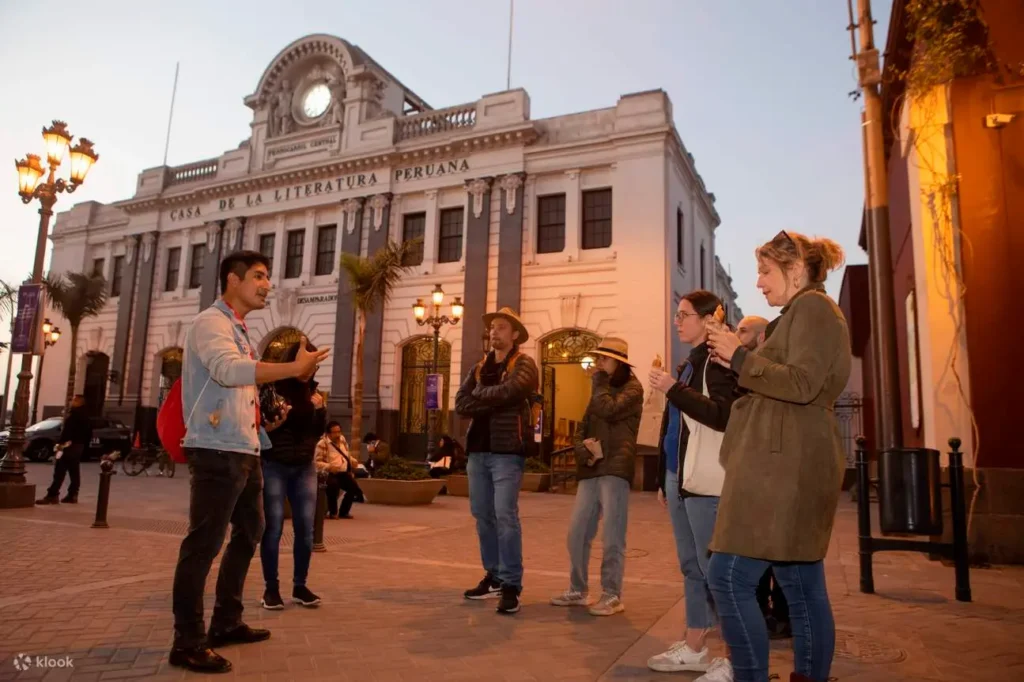
The Historic Center of Lima is a great place for a food crawl on foot. Start near Plaza Mayor with a butifarra at a traditional tavern, browse the produce at Mercado Central, share a Chinese Peruvian lunch on Calle Capón, and finish with picarones if you find them on the menu. A late-morning start gives you time to see the historic streets and arrive in Chinatown ready for lunch.
This is a self-guided route for travelers who want to taste several things without sitting down for four full meals. Order a sandwich to share, use the market to discover ingredients you’ll see again on menus, and save your appetite for lunch. The stops below are arranged in walking order, with a shorter version if you only have time for two or three.
You might be interested in reading: Peruvian Dishes every traveler should try in Lima
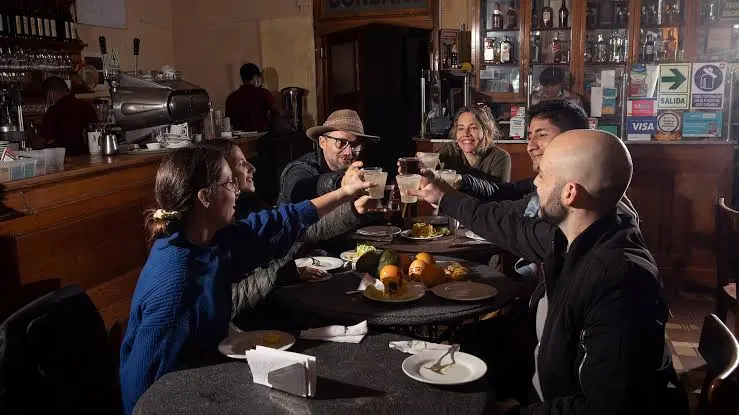
A self-guided food crawl through the Historic Center of Lima
Start at Plaza Mayor, also called Plaza de Armas. From there, head toward Jirón Áncash for a tavern stop, then continue to Mercado Central and Calle Capón. Finish with dessert wherever it fits naturally. You can walk back toward Plaza Mayor or end the route after lunch if you’re headed to another district.
Set aside about three to four hours as a planning estimate for the food crawl, including time to sit down for lunch. The market is about a ten-minute walk from Plaza Mayor according to Visit Lima, but ordering, browsing, and deciding what to try can take longer than the walking itself. If you want to go inside a museum or church along the way, allow extra time.
Stop 1. Try a butifarra near Plaza Mayor
Meet at Plaza Mayor and spend a few minutes looking around before you order anything. The cathedral, Government Palace, and municipal buildings frame the square, so it’s an easy place to get your bearings and agree on a meeting point if your group splits up. From there, head to Bar Cordano, a traditional tavern at Jirón Áncash 202. Visit Lima lists the tavern among its traditional dining spots and highlights its butifarra.
In Lima, a butifarra is a sandwich typically made with jamón del país, a seasoned Peruvian pork preparation, and salsa criolla, an onion relish that brings acidity and crunch. Share one if you’re planning a full lunch in Chinatown. If this is your main stop before sightseeing, order a whole sandwich and take the time to sit down. A coffee works well here, especially if you started before lunch.
Stop 2. Browse Mercado Central de Lima
Continue to Mercado Central, at Jirón Ucayali 615. Think of this as the ingredient stop on your food crawl. Lima’s municipal visitor guide describes the market as a major downtown shopping hub, with fruit, meat, and other goods sold both inside and around the surrounding commercial streets. Give yourself enough time to step inside and look around before following the crowds to the next block.
Pick two or three ingredients to look for. Ask about lúcuma if you’re curious about a fruit you may later see as an ice cream flavor. Look for choclo, the large-kernel corn served with dishes such as ceviche. If a stall has several kinds of ají, ask which one the vendor would use in a dish you know. Buy a small snack or fruit if something catches your eye. A short conversation can make the stop more memorable than buying something at every stall.
Stop 3. Order a chifa lunch on Calle Capón
Make Calle Capón, in Lima’s Barrio Chino, your main meal stop. Look for a chifa, a restaurant serving Chinese Peruvian food. If you’re eating with someone else, look over a few menus before choosing a place. The best fit for a food crawl is somewhere you can order a small combination or share two dishes comfortably.
For a first visit, order arroz chaufa, a Chinese Peruvian fried rice, and add wantanes or a noodle dish if your group is hungry. If you’d like to taste more than one cooking style, pair the rice with something that has a sauce instead of ordering two large starch-based dishes. A solo traveler can ask about a smaller plate with ¿Tiene una porción pequeña? The aim is to enjoy lunch and still have room for one last bite.
Stop 4. Finish with picarones or a traditional dessert
If you spot picarones, order a portion to share. These fried rings are commonly made with squash and sweet potato and served with syrup. They’re best enjoyed when freshly fried, while the outside is still crisp. Ask ¿Tiene picarones hoy? if they aren’t listed on the menu. Availability depends on the vendor and the time of day, so keep this stop flexible.
If you find mazamorra morada instead, try this purple corn dessert, often served with arroz con leche. When the two are served together, you may see the combination listed as combinado. You can also end with ice cream or a small sweet and a coffee. A flexible dessert stop lets you finish the route without doubling back through busy streets in search of a particular dish.
You might be interested in reading: Things to do in Miraflores: The best experiences for travelers
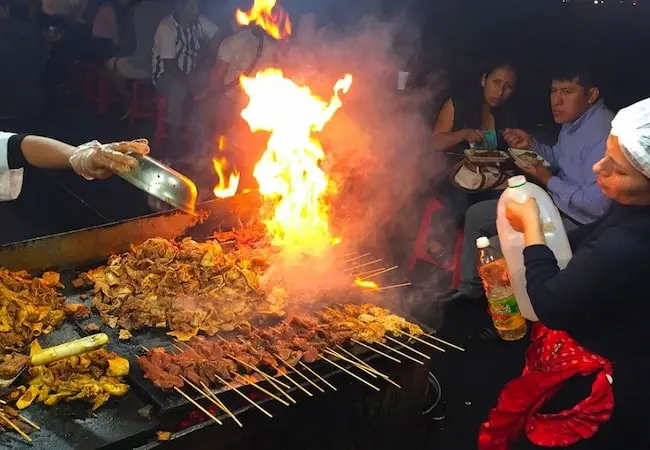
What to eat in the Historic Center of Lima
If you have room for only three things, choose a butifarra, a shared chifa dish, and a traditional dessert. Each gives you a different reason to stop. The sandwich is an introduction to a Lima tavern, lunch lets you try Chinese Peruvian cooking, and dessert gives you something worth slowing down for after the busiest part of the walk.
There’s also room to adapt the route to your tastes. If you already had a big breakfast, skip the sandwich and spend more time at the market. If you’re especially interested in traditional Lima cooking, choose a sit-down criollo lunch and visit Calle Capón for a smaller snack. The order of the stops helps you navigate, but what you eat can change once you see what’s available.
Traditional Lima street food and tavern snacks
A butifarra is the easiest starting point on this route because you can order it as a quick bite or take a seat and make it your first proper stop. If you’d rather try anticuchos, look for a vendor or restaurant serving them during your visit. The classic version is made with marinated beef heart grilled on skewers. Ask how large the serving is before ordering if you’re already planning lunch.
Papa rellena is another option if you see it on the menu. This filled potato preparation can be more substantial than it looks, so it makes sense to split it on a multi-stop walk. One savory bite is enough at this stage. You’ll have a better sense of what you want for lunch once you’ve had time to browse the market and look at the menus on Calle Capón.
Chinese Peruvian dishes to try in Barrio Chino
Arroz chaufa is an approachable first order, especially if your group wants something familiar enough to share. If you want to try something besides fried rice, look for tallarín saltado, a stir-fried noodle dish, or ask what the restaurant recommends for two people. Menus and portion sizes vary, so let the dishes you actually see guide your order.
If you already know chaufa, take a moment to compare it with lomo saltado when you see the latter on a Peruvian menu. Both can introduce you to the role of stir-frying in Lima’s food culture, but they make for different meals. On this route, give the chifa stop its own space and save a full lomo saltado for another meal if you’re already sharing rice and noodles.
Peruvian desserts and drinks to end the walk
Chicha morada is an easy drink to look for during lunch if you want to try something made with purple corn. You can then see how the same ingredient appears in a different form when you order mazamorra morada. If you want something lighter after a full meal, a single drink or a shared dessert is enough to round out the walk.
For something cold, try lúcuma ice cream if you come across it. It makes an especially good follow-up if you spotted the fruit at Mercado Central earlier in the day. If picarones are your priority, keep some room after lunch and order them when you see them being served. You can always save the ice cream for another day.
You might be interested in reading: Spring break in Peru: Best things to do in Lima
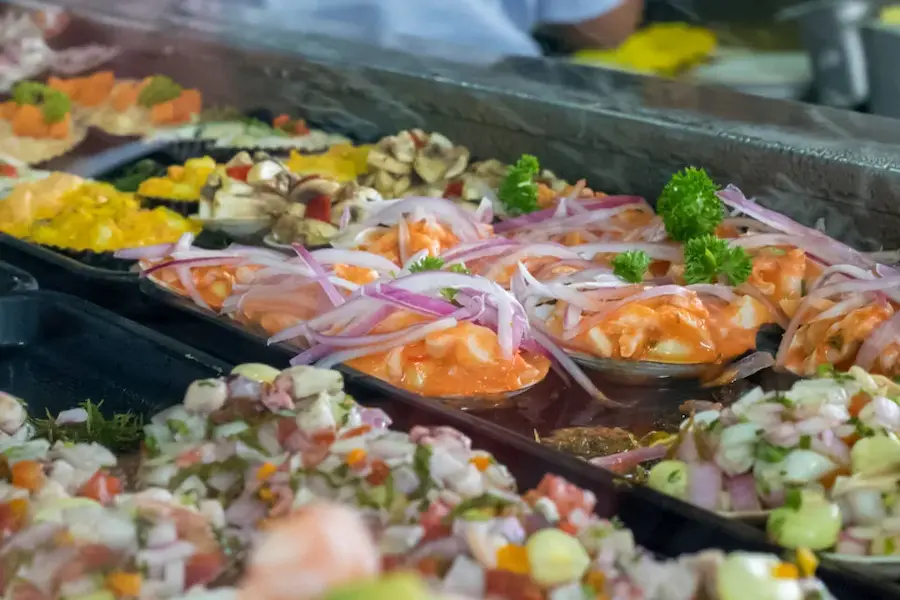
How to plan your Lima food walk
The simplest plan is to start in the late morning and make Chinatown your lunch stop. That order gives you time for Plaza Mayor, a shared sandwich, and a market visit before you sit down for the biggest meal. Check opening hours for any stop you’re counting on, especially if you’re visiting on a Sunday or a public holiday. Use the route as a guide and leave enough flexibility to swap a stop.
The Historic Center also works well as a standalone outing if you’re staying in Miraflores or Barranco. Plan your journey into downtown separately from the walk itself, and leave some room between lunch and any timed reservation you have later in the day. Once you arrive, use the names of the four stops as map pins so you can follow the route without checking directions at every corner.
How to fit the food crawl into two hours
For a shorter visit, start at Plaza Mayor, walk through Mercado Central, and finish with lunch on Calle Capón. Skip the tavern if you’d rather have a leisurely meal, or replace lunch with the tavern stop if you want more time around the main square. Pick one meal as your anchor and plan the rest around it.
If your group has different appetites, agree on a meeting time and one place to sit down together. Someone who wants to linger over coffee can do that while others browse produce or photograph the streets near the square. The route works best when everyone has time to enjoy at least one stop instead of spending the whole outing moving from one order to the next.
What to bring and how to order downtown
Wear comfortable walking shoes, bring water, and carry some small-denomination soles for purchases where cards may not be accepted. Save the market and lunch locations on your phone before you leave your accommodation. If you’re buying a snack from a stall, ¿Cuánto cuesta? asks the price and ¿Acepta tarjeta? checks whether you can pay by card.
For dietary needs, prepare one clear sentence in Spanish. No como carne ni pescado means “I don’t eat meat or fish.” If you have an allergy, name the specific ingredient and ask whether the kitchen can accommodate you before ordering. At a chifa, ask about broth, sauces, and shared cooking equipment when those details matter. A dish described as vegetable rice can still require a conversation with the restaurant.
What to pair with your food crawl in Lima
If architecture is also a priority, keep the food walk focused on the market and Calle Capón, then set aside separate time to explore the landmarks around Plaza Mayor. Lala Peru Travel’s half-day tour of Lima combines parts of Miraflores with historic landmarks such as Plaza de Armas and the San Francisco complex. It’s a way to see both sides of the city on a separate outing or to put the buildings you passed on your food walk in context.
If the market is the part you’d most like to repeat, Lala’s Lima food tour with a market visit and cooking class takes place in Miraflores and Surquillo. You’ll spend time with a guide in a different market and then prepare Peruvian dishes. For a visit centered on cooking, the Peruvian cooking class in Miraflores lets you try making dishes such as causa limeña after tasting your way through downtown.
Frequently asked questions about eating in the Historic Center of Lima
Can you do a food crawl in the Historic Center of Lima without a guide?
Yes. Start at Plaza Mayor, pick one tavern or market stop, and make lunch on Calle Capón your anchor. The route is flexible enough to shorten if a place is closed or crowded. A guide can add context about the architecture or local food traditions if you want a more structured visit.
How much time do you need for a downtown Lima food crawl?
Allow three to four hours for the route in this guide, including time for a sit-down lunch. Two hours can work for a shorter visit built around Plaza Mayor, Mercado Central, and one meal. Add extra time if you plan to visit an attraction with its own entrance schedule.
What is the best time to visit Mercado Central and Chinatown?
Late morning is a practical starting point for this route because you can browse the market before sitting down for lunch in Chinatown. Check the hours of any particular restaurant or stall you want to visit. If it’s a holiday or you’re going close to closing time, keep a backup stop nearby.
Are Mercado Central and Lima’s Chinatown the same place?
They’re separate stops in the same part of downtown. Mercado Central is the market stop, while Calle Capón is the street to look for when heading into Barrio Chino for a chifa meal. Save each separately on your map so you can go directly to the one you want.
What should you try if you only have time for one meal?
Choose chifa on Calle Capón if you want to try Chinese Peruvian food and have time to sit down. Order arroz chaufa with a side to share. If you only have time for a quick bite near Plaza Mayor, choose a butifarra at a traditional tavern such as Bar Cordano.
Is Lala Peru Travel’s Lima Food Tour the same as this downtown food crawl?
This article describes a self-guided walk through the Historic Center. Lala’s guided Lima Food Tour starts in Miraflores and includes a visit to Surquillo Market and a hands-on cooking class. Choose the downtown route for tavern snacks and chifa, or the guided experience if you want to explore a market and cook with a chef.