
Peru is one of South America’s most rewarding destinations, but many Americans ask one question before booking: is peru safe to travel? The practical answer is yes for most visitors who use established routes, reliable transportation, and updated local information. Peru is not risk-free, but neither are other major international destinations. A safe trip depends on preparation, not fear.
If you are wondering is peru safe to travel, this guide explains the real risks, the safest places to visit, what to avoid, and how to plan a smoother trip. It is written for travelers from the United States who want a realistic answer about Lima, Cusco, the Sacred Valley, Machu Picchu, Arequipa, Lake Titicaca, and the Amazon.
You might be interested in: Peru in June: Weather & Travel Tips
Is Peru Safe for Tourists?
Yes, Peru is generally safe for tourists visiting the main travel circuit. Most visitors complete their trips without serious problems. The most common issues are petty theft, phone snatching, taxi overcharging, altitude sickness, traffic, weather delays, and occasional disruption from protests or roadblocks.
The U.S. Department of State lists Peru as Level 2, which means travelers should exercise increased caution due to crime, civil unrest, and risk in some specific areas. That advisory does not mean visitors should avoid the entire country. It means travelers should stay informed and avoid higher-risk zones.
So, is peru safe to travel for a first-time visitor? Yes, especially if the itinerary includes Lima, Cusco, the Sacred Valley, and Machu Picchu. These destinations have strong tourism infrastructure, experienced guides, organized transfers, hotels, restaurants, airports, trains, and emergency support.
Peru Travel Safety: What Travelers Should Know
Peru travel safety depends heavily on where you go and how you move through the country, which is why is peru safe to travel should always be understood by route, destination, and travel style. A classic itinerary through Lima, Cusco, the Sacred Valley, and Machu Picchu is very different from remote overland travel near border regions or informal transportation through isolated areas.
For most visitors, the answer to is peru safe to travel is more positive when following established tourism corridors, using reliable transportation, booking organized tours, and avoiding areas affected by protests, unsafe roads, or limited emergency support. Planning ahead, staying informed about local conditions, and moving at a comfortable pace can make a significant difference throughout the journey.
Common risks
The most common tourist risks are usually minor and preventable. Pickpocketing, bag snatching, street phone theft, unofficial taxis, overpriced tours, distraction scams, and losing belongings during rushed transfers are among the situations travelers may encounter. In many cases, these issues can be reduced by using trusted transportation, keeping valuables secure, avoiding crowded areas with open bags, and staying attentive in busy public spaces.
Less common but more serious situations include protests, roadblocks, train disruptions, highway accidents, and crime in certain non-tourist districts or remote regions. Travelers researching is peru safe to travel should pay close attention to current local conditions before moving between cities, especially when using highways, regional buses, or routes near border areas. Flexibility in the itinerary is important because transportation schedules and road access can occasionally change without notice.
Health and environmental risks
Travel safety in Peru is not only about crime or transportation. Altitude in Cusco and the Andes, strong sun exposure, food and water changes, Amazon insects, rainy-season landslides, and hiking fatigue can affect travelers as much as security concerns. For this reason, is peru safe to travel is also connected to proper acclimatization, hydration, weather preparation, and choosing activities that match your physical condition for a safer and more enjoyable experience throughout the country.
You might be interested in: Tips for Travellers: Smart Travel Guide
Safest Places to Visit in Peru
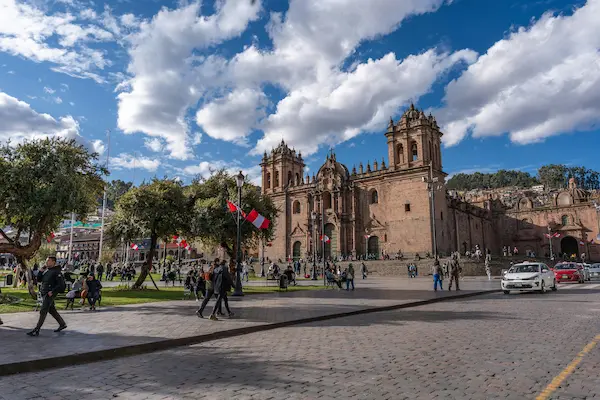
Peru has several destinations that are considered safe and well prepared for international tourism, especially along the country’s main travel circuit. Cities and regions such as Lima, Cusco, the Sacred Valley, Machu Picchu, Arequipa, and Lake Titicaca receive millions of visitors each year and offer strong tourism infrastructure, organized transportation, hotels, guided tours, restaurants, and emergency services. While normal travel precautions are always recommended, these destinations are generally comfortable for first-time visitors, families, solo travelers, and organized groups exploring Peru.
Lima
Lima is Peru’s main international gateway and one of Latin America’s best food cities. For tourists, the most recommended districts are Miraflores, San Isidro, and Barranco. These areas have better hotels, restaurants, coastal walks, museums, and access to safer transportation.
However, Lima is still a large city. Do not walk with your phone exposed near traffic. Avoid quiet streets late at night. Keep bags close. Use hotel-recommended transport for airport transfers. If someone asks is peru safe to travel because of Lima crime news, the honest answer is that Lima can be safe when travelers stay in the right areas and move carefully.
Cusco
Cusco is generally safe in the historic center, San Blas, and main tourist zones. Theft can happen in crowded plazas, markets, festivals, and nightlife areas, so keep valuables discreet. The bigger issue for many travelers is altitude. Cusco is high in the Andes, and visitors should plan a slow first day.
For travelers wondering is peru safe to travel in Cusco, the answer is usually yes when they stay near the historic center, avoid isolated streets at night, and give their body time to adjust to elevation before hiking or taking long tours.
Sacred Valley
The Sacred Valley is often a smart first stop after landing in Cusco because it is lower than the city. Towns such as Urubamba, Ollantaytambo, and Pisac are popular bases for ruins, markets, culture, and train access toward Machu Picchu.
This area also helps answer is peru safe to travel for families and older travelers, because it offers a calmer pace, scenic hotels, private transfers, and easier acclimatization before visiting Cusco or Machu Picchu.
Machu Picchu
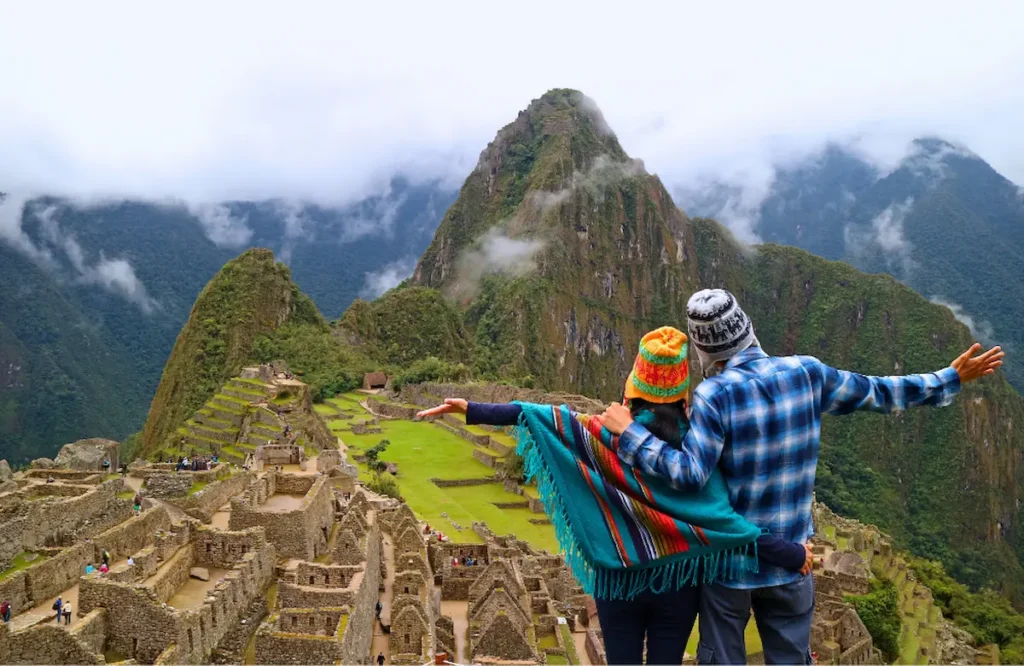
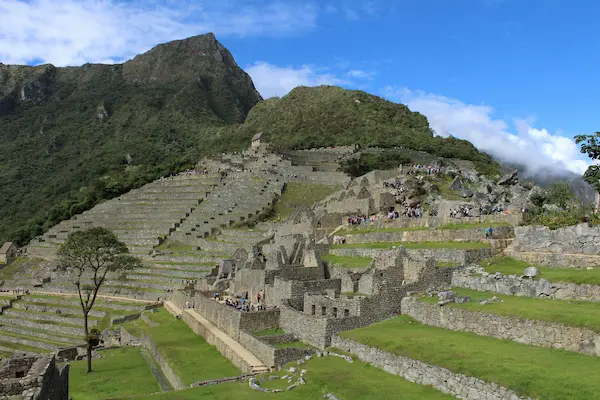
Machu Picchu is one of the safest and most organized parts of the Peru travel circuit when booked properly. The main safety issues are slippery stone paths, steep stairs, rain, crowds, missed train connections, and choosing a route that does not match your physical condition.
If your main question is is peru safe to travel for Machu Picchu, the destination is generally safe with official tickets, clear train logistics, realistic timing, and a route suited to your mobility and fitness level.
Arequipa, Lake Titicaca, and the Amazon
Arequipa is a strong choice for culture, food, and Colca Canyon. Lake Titicaca and Puno can be rewarding, but travelers should monitor protest activity. Amazon trips are best done through reputable lodges or cruises with clear safety protocols.
In these regions, is peru safe to travel depends more on local conditions, weather, transport quality, and choosing trusted guides, especially for canyon routes, high-altitude lake travel, and jungle excursions.
You might be interested in: Cusco Bars: Nightlife Guide & Tips
Transportation Safety in Peru
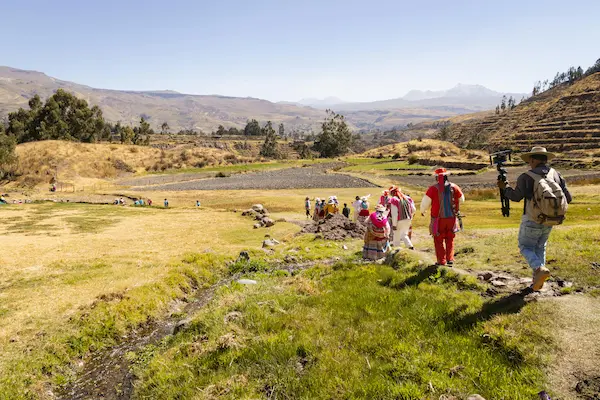
Transportation is one of the most important parts of Peru travel safety, and is peru safe to travel often depends on choosing the right transfers. Domestic flights are useful for long distances, especially Lima to Cusco, Lima to Arequipa, and Cusco to Puerto Maldonado. They reduce fatigue and avoid long overnight roads.
For airport arrivals, pre-book a transfer or use official taxi services. In Lima, rideshare apps and hotel-arranged cars are usually better than hailing taxis on the street. In Cusco and the Sacred Valley, private drivers are often worth the cost because roads are winding, luggage logistics matter, and travel days can be tiring.
If you are comparing operators, you may come across Lala Peru agency during your research. Check verified reviews, licenses, inclusions, cancellation terms, emergency contact details, and whether guides are properly accredited before booking any company.
Health, Altitude, Food, and Water Safety
Altitude is a major part of the Peru experience. Many travelers arrive in Cusco too fast, schedule a strenuous activity immediately, and feel sick on the first day. A better plan is to rest, hydrate, eat lightly, avoid alcohol, and consider spending the first night in the Sacred Valley.
Food safety is usually manageable. Eat at busy restaurants with good reviews, avoid questionable street food if your stomach is sensitive, drink bottled or filtered water, and wash hands frequently. Lima’s food scene is world-class, but travelers should still adjust gradually.
Amazon travelers may need extra precautions for insects, humidity, vaccines, and medical access. Health recommendations vary depending on whether you stay only in Lima and Cusco or travel into jungle regions.
Crime, Scams, and How to Avoid Them
Petty theft is the most common issue. Keep your phone away from street traffic. Do not leave bags hanging from chairs. Avoid placing your phone on restaurant tables. Use a crossbody bag or money belt in markets, bus stations, and festivals.
Common scams include overpriced taxis, fake tour deals, unofficial guides, currency tricks, distraction theft, and low-quality last-minute Machu Picchu offers. If a deal sounds too cheap, check what is missing.
A strong rule is to book critical logistics in advance. This includes airport pickup, Machu Picchu tickets, train tickets, private transfers, and guided hikes. Travelers who ask is peru safe to travel often feel safer once the high-risk logistics are already handled.
Weather, Seasonality, and Safety
The dry season from May to October is the most popular period for Cusco, the Sacred Valley, hiking, and Machu Picchu. Visibility is often better, but crowds and prices are higher.
The rainy season from November to March brings greener landscapes and fewer crowds, but it can also increase the risk of delays, slippery trails, landslides, and road closures. If you travel during rainy season, build flexibility into the itinerary and avoid tight same-day connections.
For hikers, weather safety is critical. Rain gear, proper shoes, sun protection, and realistic expectations matter. Mountain weather can change quickly even in dry season.
Suggested Safe 10-Day Peru Itinerary
A well-planned itinerary can make traveling through Peru much more comfortable, organized, and enjoyable, especially for first-time visitors. For travelers wondering is peru safe to travel, the answer often depends on choosing the right route, reliable transportation, and enough time to explore each destination comfortably.
Days 1–2: Lima
Arrive in Lima and stay in well-known districts such as Miraflores, San Isidro, or Barranco, where most hotels, restaurants, and tourist services are located. These neighborhoods are ideal for first-time visitors thanks to their modern infrastructure, oceanfront views, cultural attractions, and vibrant food scene. Joining organized Lima tours is also a great way to explore the city comfortably while discovering museums, historic streets, local gastronomy, and coastal viewpoints with professional guidance. For travelers asking is peru safe to travel during their first days in the country, Lima is usually most comfortable when using trusted transportation, organized tours, and accommodations located in tourist-friendly areas.
Days 3–4: Sacred Valley
Fly to Cusco and continue directly to the Sacred Valley, which sits at a lower altitude and offers a smoother transition for acclimatization. This region combines impressive landscapes, traditional villages, local markets, and important archaeological sites such as Pisac and Ollantaytambo. Spending the first days here allows travelers to adjust gradually before returning to higher elevations. For many visitors concerned about altitude and comfort, is peru safe to travel becomes easier to answer positively when the itinerary includes a slower start in the Sacred Valley.
Day 5: Machu Picchu
Visit Machu Picchu as part of a well-organized route with confirmed train schedules, entrance tickets, and transportation. Starting the journey early helps travelers enjoy the site with better lighting and a calmer atmosphere. Comfortable walking shoes, light layers, sunscreen, and water are essential for the day. For travelers researching is peru safe to travel before visiting Machu Picchu, planning logistics in advance is one of the best ways to create a smoother and more organized experience.
Days 6–7: Cusco
After acclimatization, return to Cusco to explore the historic capital of the Inca Empire at a more comfortable pace. Visit places such as Sacsayhuamán, San Blas, local markets, museums, and traditional restaurants while enjoying the city’s colonial architecture and cultural atmosphere. Cusco offers a mix of history, gastronomy, nightlife, and local traditions that make it one of the highlights of any Peru itinerary. By this stage of the trip, many travelers feel more confident about the question is peru safe to travel, especially after adjusting to the altitude and understanding local transportation and daily routines.
Days 8–10: Arequipa or Amazon Extension
For the final part of the trip, travelers can choose between two very different experiences. Arequipa and the Colca Canyon offer volcanic landscapes, colonial architecture, and scenic viewpoints, while Puerto Maldonado and the Amazon region provide wildlife, rainforest excursions, and nature-focused experiences. Both options are best enjoyed with organized transportation and guided activities, allowing travelers to explore comfortably while maximizing time and safety during the journey. For travelers still asking is peru safe to travel in more remote regions, organized logistics and experienced local support can make the experience much easier and more comfortable.
You might be interested in: Highest Mountains in Peru Guide 2026
Local Experiences and Cultural Respect
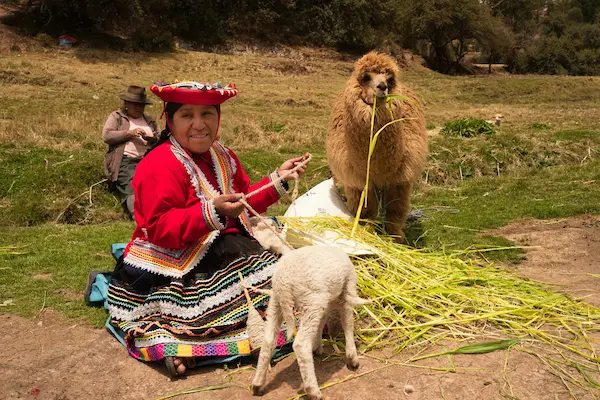
Peru rewards travelers who slow down and respect local culture. Ask before taking portraits, pay fair prices, support local guides, and avoid treating sacred places as photo props.
Some travelers are interested in Andean spirituality, retreats, or ceremonial experiences. If you find Cusco tours while researching, review health restrictions, facilitator credentials, cultural ethics, and safety procedures carefully before participating in any spiritual or plant-based activity.
FAQs About Peru Travel Safety
Travelers planning a trip to Peru often have questions about transportation, tourist areas, personal safety, altitude, and the best ways to move around the country. While Peru is one of the most popular destinations in South America, having the right information and preparing in advance can make the experience much more comfortable and secure. Below are some of the most common questions visitors ask before traveling to Peru and helpful answers to better understand what to expect during the journey.
Is Peru safe to travel from the United States?
Yes. Peru is one of the most visited destinations in South America, and thousands of travelers from the United States visit every year without problems. Most tourist routes, including Lima, Cusco, Machu Picchu, the Sacred Valley, and Lake Titicaca, are considered safe when travelers use common precautions, reliable transportation, and organized services. Like any international destination, staying informed and planning ahead helps create a smoother experience.
Is Lima safe for tourists?
Lima is generally safe for tourists in popular districts such as Miraflores, Barranco, and San Isidro. These areas are well known for hotels, restaurants, nightlife, and tourist services. Visitors should still avoid displaying valuables openly, use trusted transportation apps or official taxis, and remain attentive in crowded areas. During the day, many travelers comfortably explore museums, coastal walks, markets, and restaurants throughout the city.
Is Cusco and Machu Picchu safe to visit?
Yes. Cusco and Machu Picchu are among the safest and most organized destinations in Peru for tourism. The main challenge for many travelers is not security, but altitude and physical activity. Taking time to acclimatize, staying hydrated, and avoiding overexertion during the first days can improve the experience significantly. Machu Picchu itself is well regulated, with official entry systems, transportation services, guides, and established visitor routes.
What should tourists avoid in Peru?
Travelers should avoid isolated areas at night, informal taxis, unofficial tour operators, and carrying large amounts of cash or expensive items openly. It is also recommended to stay informed about protests or transportation disruptions before traveling between regions. Using trusted agencies, booking tours in advance, and keeping copies of important documents can help reduce risks during the trip.
Is Peru worth visiting despite safety concerns?
Absolutely. Peru remains one of the most rewarding travel destinations in the world thanks to its combination of history, culture, gastronomy, landscapes, and adventure. From the ancient wonder of Machu Picchu to the colorful streets of Cusco, the Amazon rainforest, the Sacred Valley, and the Pacific coast, the country offers experiences that are difficult to find anywhere else. With good preparation and smart travel decisions, most visitors enjoy safe and unforgettable journeys throughout Peru.
Final Verdict
Peru continues to be one of the most visited and rewarding destinations in South America for travelers interested in culture, history, gastronomy, nature, and adventure. Most visitors complete their journeys safely while exploring destinations such as Lima, Cusco, Machu Picchu, the Sacred Valley, Arequipa, and Lake Titicaca.
A positive travel experience usually depends on preparation and smart planning. Choosing reliable transportation, staying in recognized tourist areas, booking tours and accommodations in advance, and staying informed about local conditions can make the trip much smoother and more comfortable. Travelers who respect altitude, protect their belongings, and maintain flexibility in their itinerary often enjoy a safe and memorable experience throughout the country.
With proper organization and local support, Peru offers incredible landscapes, rich traditions, welcoming communities, and unforgettable experiences that continue to attract travelers from around the world year after year.